
Master Certification
in Etiquette Coaching
Move beyond knowing the rules. Develop the judgement, authority and professional skill to lead the field.
An advanced
three-day intensive
The Master Certification in Etiquette Coaching is an advanced three-day intensive for experienced etiquette coaches, trainers and professionals who are ready to work at a higher level.
It brings together modern social etiquette, business etiquette, international protocol, cultural intelligence, dining mastery, advanced coaching and professional consultancy.
You will learn how to interpret etiquette in context, advise clients when conventions differ, manage complex situations and design programmes that create measurable change. You will also strengthen the commercial skills needed to position, price and present your services with confidence.
Certification is awarded after you have completed the three live training days and successfully submitted your Applied Master Project.
Entry is by application and interview
Every applicant completes a written application and a personal interview with the faculty before a place is confirmed. The interview allows us to understand your experience, discuss your professional goals and confirm that the programme is right for you. Where a gap is identified, you may be asked to complete preparatory study before joining.
Knowing etiquette is
only the beginning
Clients do not always present you with simple questions or situations in which one accepted rule applies. They may be operating across cultures, managing senior stakeholders, hosting international guests or facing sensitive questions involving age, hierarchy, religion, identity and organisational expectations.
A professional etiquette coach must be able to determine which convention applies, explain the reasoning behind it and adapt the advice without losing accuracy or integrity.
You must also know how to observe behaviour, give corrective feedback without causing embarrassment and help clients apply what they learn in real situations.
The Master Certification develops this deeper level of professional judgement. It prepares you to advise, teach and coach with greater authority in situations where memorised rules are not enough.
Do any of these challenges
feel familiar?
You may have completed etiquette training and gained valuable experience, but still feel uncertain when:
- ◆Different etiquette sources give conflicting advice
- ◆British, American and local customs do not agree
- ◆A client asks a question that falls outside your prepared material
- ◆You need to advise a senior executive or international delegation
- ◆Cultural expectations conflict with established protocol
- ◆A client understands the rule but struggles to change the behaviour
- ◆You need to correct someone without making them feel uncomfortable
- ◆A company asks you to demonstrate measurable business value
- ◆You are unsure how to structure, package or price an advanced service
- ◆You find it difficult to explain what makes your work distinctive
- ◆Your professional knowledge is stronger than your sales or consultancy skills
- ◆You want to move from presenting workshops to advising clients at a senior level
This programme addresses those gaps directly. You will not simply receive more information — you will learn how to analyse situations, make sound professional decisions and defend your recommendations with clarity.
Designed for experienced professionals
- ◆Qualified etiquette coaches and consultants
- ◆Graduates of recognised etiquette or protocol programmes
- ◆Experienced corporate trainers and facilitators
- ◆Executive, leadership and communication coaches
- ◆Protocol, diplomatic and international relations professionals
- ◆Hospitality and luxury-service trainers
- ◆Learning and development specialists
- ◆Educators with substantial experience in etiquette, behaviour or professional development
- ◆Established professionals who can demonstrate equivalent relevant experience
Applicants should normally hold a relevant professional certification, have at least two years of suitable experience, or provide a portfolio demonstrating equivalent professional practice.
Admission is by application and interview. Where necessary, you may be asked to complete preparatory study before joining the programme.
Six areas of
professional capability
Many etiquette programmes concentrate on the transfer of knowledge. The Master Certification develops your ability to apply that knowledge responsibly.
Subject authority
Build an accurate, well-sourced command of social etiquette, business conduct, dining etiquette and international protocol.
Professional judgement
Learn to decide what applies, to whom, in which setting and for what purpose.
Cultural intelligence
Develop a thoughtful approach to cultural difference without relying on stereotypes or oversimplified country profiles.
Coaching mastery
Observe behaviour, ask effective questions, provide respectful feedback and help clients turn knowledge into lasting habits.
Learning design
Create programmes with clear outcomes, purposeful activities and meaningful evaluation.
Professional leadership
Position your expertise, advise clients, price your services and contribute responsibly to the development of modern etiquette education.
By the end of the programme
and Applied Master Project
- ◆Interpret etiquette and protocol principles rather than repeat isolated rules
- ◆Distinguish etiquette, protocol, custom, organisational policy and personal preference
- ◆Advise clients when accepted conventions conflict
- ◆Research international practices responsibly
- ◆Identify cultural, reputational and protocol risks
- ◆Handle unfamiliar or sensitive questions calmly
- ◆Coach observable behaviour with clarity and respect
- ◆Design relevant programmes for private, educational and corporate clients
- ◆Define measurable learning outcomes
- ◆Evaluate whether behaviour has changed
- ◆Conduct a professional client-needs analysis
- ◆Present persuasive recommendations to decision-makers
- ◆Structure and price your services commercially
- ◆Develop a credible specialist position within the market
- ◆Create an original programme ready for professional use
Seven distinctions
Designed for experienced professionals
The programme begins at an advanced level. Entry requirements — including application and interview — protect the value of the Master designation and allow the live training to concentrate on integration, judgement and professional application.
Principles before rules
You will explore why a convention exists, when it applies and when context requires a different response.
Complex international scenarios
The programme includes realistic cases involving cultural differences, disputed precedence, difficult clients, senior guests and sensitive social situations.
Coaching rather than correction
You will learn how to change behaviour while preserving confidence, dignity and trust.
Commercial application
The programme connects subject expertise with positioning, consultancy, pricing, proposals and client development.
Assessment beyond attendance
Attendance alone does not lead to certification. You must demonstrate your ability through an original Applied Master Project.
A standard designed for professional credibility
The programme has been informed by international approaches to professional coaching, adult learning, intercultural competence, assessment and credential integrity.
The three-day programme
Etiquette Authority, Professional Presence and Positioning
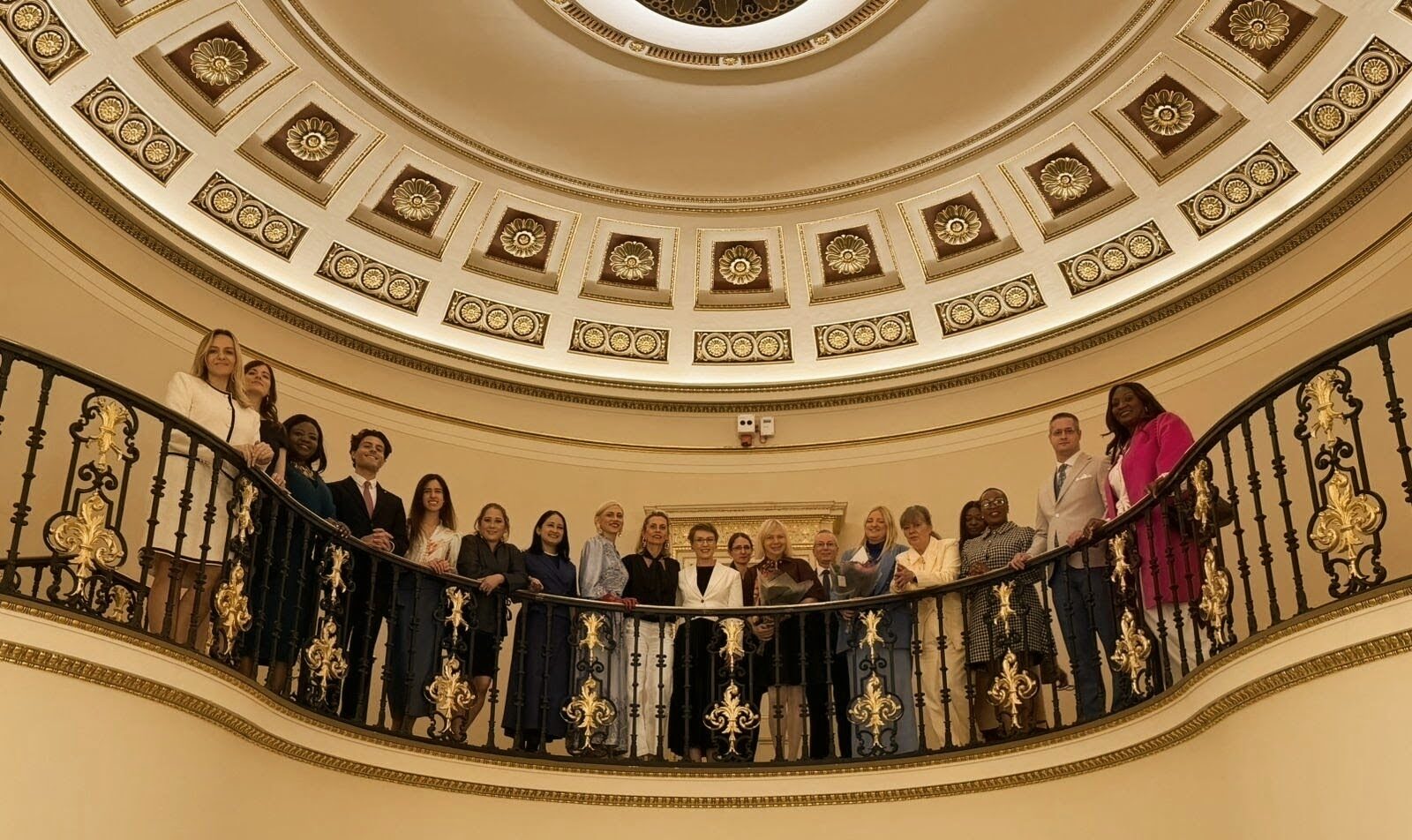
The first day establishes the Master Etiquette Coach standard. It refreshes essential social etiquette knowledge before moving into interpretation, cultural intelligence, behavioural observation and advanced coaching.
Read the full Day One curriculumClose Day One curriculum
Welcome and the Master Etiquette Coach Standard
- Programme objectives and professional expectations
- The difference between knowledge, expertise and mastery
- Ethics, confidentiality and professional conduct
- Individual development goals
Fast Track in Modern Social Etiquette
- Introductions and correct forms of address
- Social precedence and expressions of respect
- Greetings, handshakes and cultural variations
- Invitations, hosting and receiving guests
- Conversation and correspondence
- Digital and social-media etiquette
- Dress codes and personal presentation
- Handling mistakes and awkward situations
Etiquette Principles and Professional Judgement
- The difference between manners, etiquette, protocol and custom
- Understanding the purpose behind conventions
- Distinguishing established guidance from personal preference
- Responding when British, American and local customs differ
- Resolving conflicting or outdated advice
- Explaining etiquette without sounding rigid or judgemental
Professional Presence and Behavioural Observation
- Posture, movement and spatial awareness
- Voice, pace and vocal authority
- First impressions and professional credibility
- Listening and non-verbal communication
- Observing behaviour without making assumptions
- Correcting behaviour while protecting dignity
- In-person and on-camera delivery
Cross-Cultural Etiquette and Cultural Intelligence
- Culture, context and individual preference
- Age, hierarchy and professional seniority
- Greetings, touch, eye contact and personal space
- Punctuality, hospitality and saving face
- Gender, religion and cultural sensitivities
- Avoiding stereotypes and unsupported claims
Advanced Etiquette Coaching
- Diagnosing the client’s real need
- Turning knowledge into observable behaviour
- Asking effective coaching questions
- Demonstration, rehearsal and correction
- Giving precise and respectful feedback
- Measuring confidence and behavioural improvement
Professional Positioning and Specialisation
- Defining your area of authority
- Identifying valuable client groups
- Territory and market mapping
- Competitor analysis and market gaps
- Developing a clear professional promise
- Positioning yourself without exaggerated claims
Judgement and Coaching Laboratory
- Analysing an ambiguous etiquette case
- Preparing a culturally appropriate recommendation
- Delivering a short coaching intervention
- Defending the reasoning behind your advice
- Receiving structured faculty and peer feedback
Business Etiquette, International Protocol and Corporate Consultancy
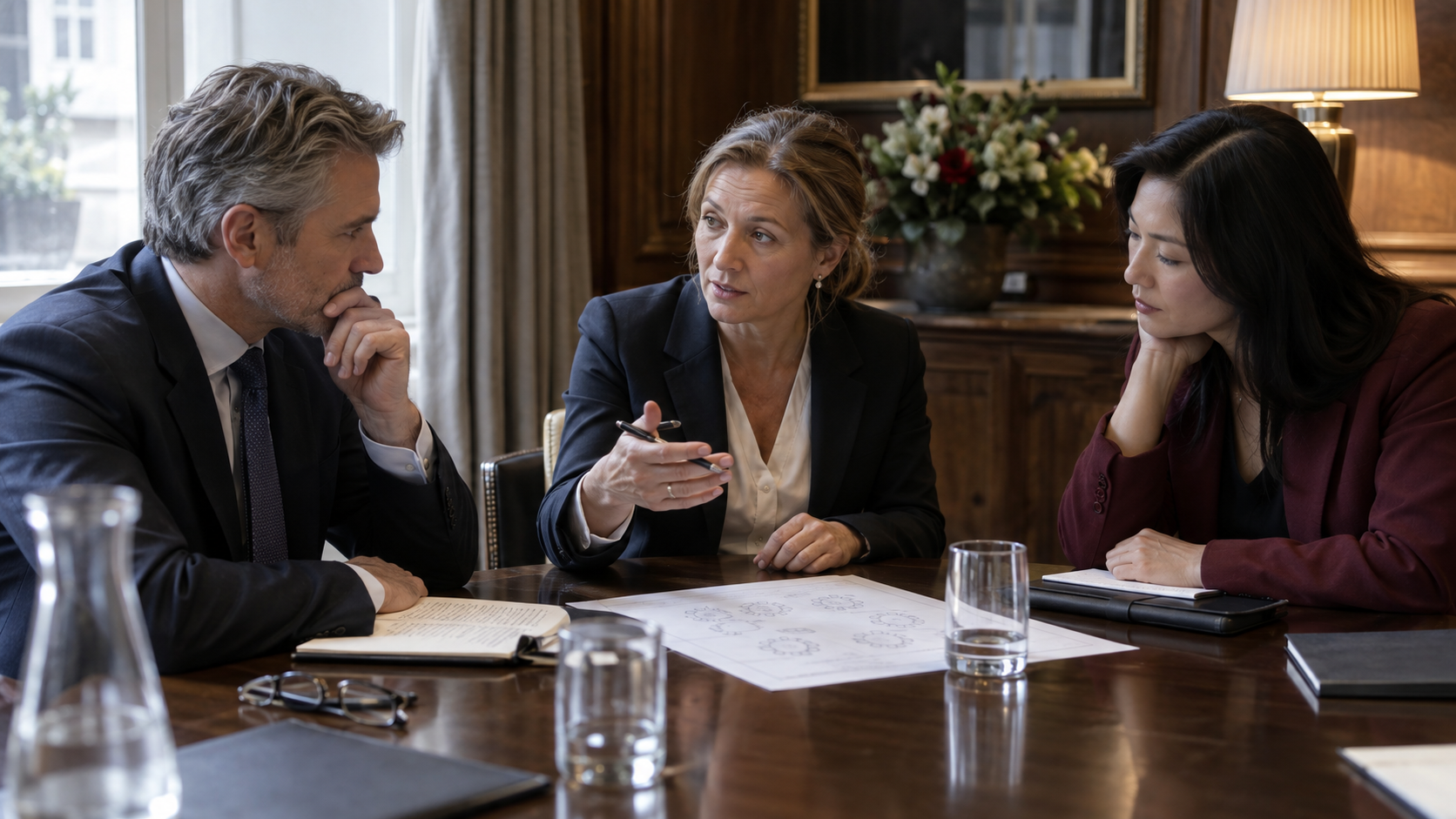
The second day prepares you to advise organisations, senior leaders and international clients. You will examine professional conduct, hierarchy, diplomatic protocol and the practical management of official events.
Read the full Day Two curriculumClose Day Two curriculum
Fast Track in Business Etiquette
- Professional introductions and business hierarchy
- Meetings and relationship building
- Networking and business conversation
- Professional correspondence and telephone etiquette
- Virtual meeting conduct
- Workplace civility and boundaries
- Personal presentation and organisational reputation
- Communicating across generations and cultures
Executive Presence and Influence
- Communicating with clarity and confidence
- Demonstrating authority without affectation
- Adapting your communication to senior stakeholders
- Remaining composed under scrutiny
- Managing disagreement and difficult conversations
- Using emotional intelligence to reduce tension
International Protocol Foundations
- The difference between protocol and etiquette
- Official and social precedence
- Titles, honorifics and correct forms of address
- Flags, anthems and national symbols
- Receiving lines and official introductions
- Formal seating and principal-guest placement
- Official gifts and cultural considerations
Official Visits and International Events
- Establishing purpose, hierarchy and responsibilities
- Creating guest lists and orders of precedence
- Planning arrival and departure sequences
- Preparing briefing notes and orders of proceedings
- Working with hosts, interpreters, security and media
- Managing dietary, religious and accessibility requirements
- Preparing for unexpected changes and protocol failures
International Business and Cultural Due Diligence
- Researching a country, organisation and delegation
- Distinguishing national culture from organisational culture
- Identifying protocol and reputational risks
- Preparing clients for unfamiliar environments
- Adapting without imitation or stereotyping
- Recognising when specialist advice is required
Protocol Incident Room
- A late dignitary
- An incorrect flag or anthem
- Disputed precedence
- A culturally inappropriate gift
- A dietary or religious oversight
- An unexpected guest
- A media-sensitive protocol error
Corporate Consultancy Laboratory
- Interpreting a client brief
- Identifying the underlying business problem
- Conducting an effective needs analysis
- Defining measurable outcomes
- Establishing scope and professional boundaries
- Designing an appropriate intervention
- Demonstrating value to decision-makers
Proposals and Consultative Sales
- Structuring a professional proposal
- Connecting content to organisational outcomes
- Packaging workshops, coaching and consultancy
- Conducting confident sales conversations
- Responding to objections professionally
- Managing expectations and follow-up
- Presenting an executive recommendation
Dining Mastery, Programme Design and Commercial Leadership
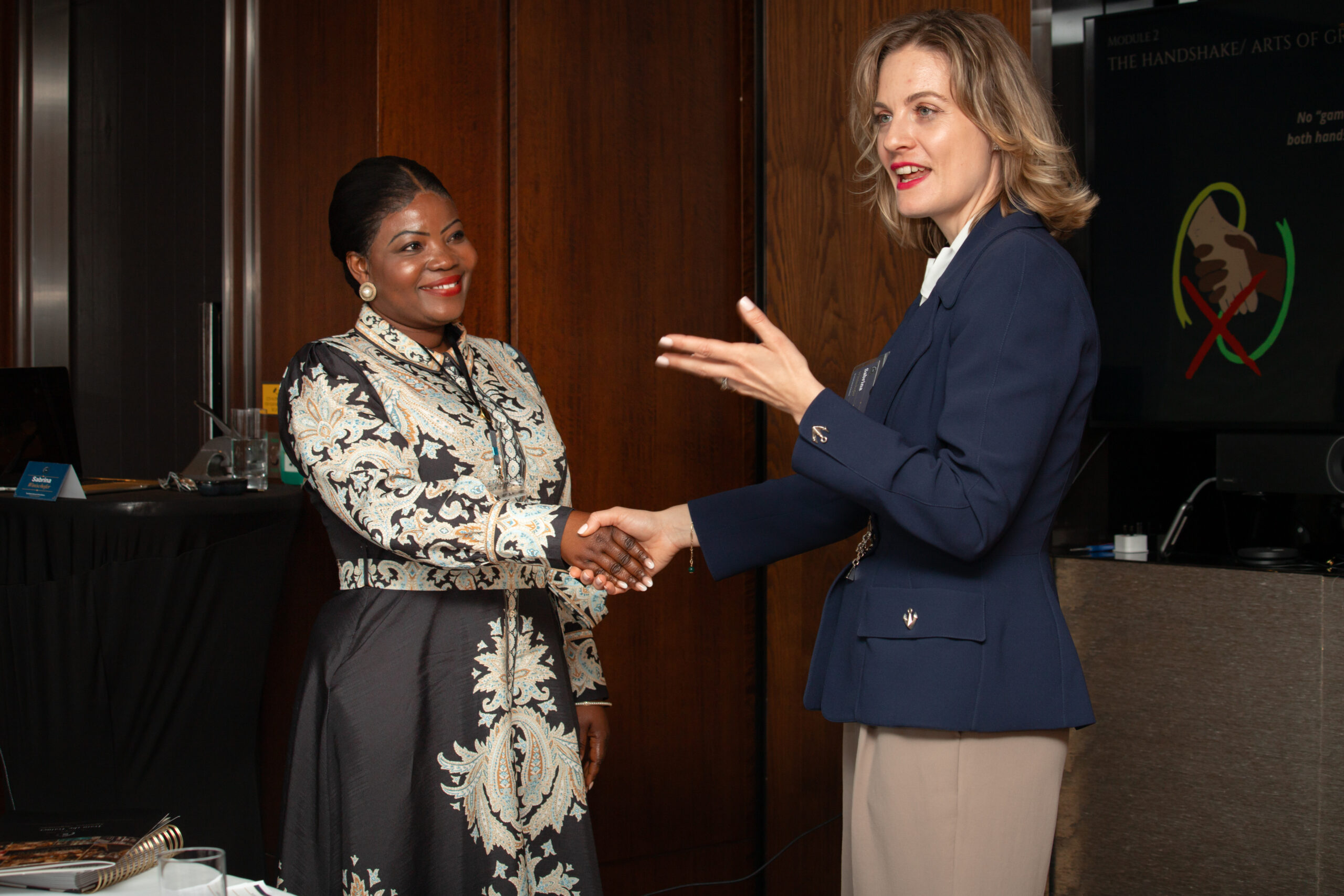
The third day integrates international dining and hospitality with advanced programme design, professional operations and business development.
Read the full Day Three curriculumClose Day Three curriculum
Fast Track in International Dining Etiquette
- Host and guest responsibilities
- Invitations and dietary requirements
- Formal and informal place settings
- Cutlery, glassware, napkins and bread etiquette
- British, European and American dining differences
- Service styles and interaction with service staff
- Table conversation and toasts
- Managing unfamiliar food
- Handling spills, dropped items and mistakes
- Recovering calmly and discreetly
Afternoon Tea and Social Hospitality
- The structure and sequence of afternoon tea
- Tea service and tableware
- Sandwiches, scones and pastries
- Hosting, conversation and guest comfort
- Adapting the experience across cultures and venues
- Common myths and incorrect practices
Dining Coaching Practicum
- Setting and explaining a formal table
- Demonstrating techniques clearly
- Observing behaviour accurately
- Coaching a client through an unfamiliar course
- Correcting errors without embarrassment
- Responding to challenging questions
- Adapting instruction for different audiences
Advanced Programme and Learning Design
- Conducting a learning-needs analysis
- Writing clear and measurable outcomes
- Sequencing content effectively
- Designing demonstrations, scenarios and activities
- Adapting programmes for private and corporate clients
- Incorporating cultural intelligence and inclusion
- Evaluating learning beyond participant satisfaction
Assessed Dining Experience
- Host and guest conduct
- Table conversation and inclusion
- Interaction with service staff
- Management of staged complications
- Cultural and dietary considerations
- Individual faculty observation and feedback
Pricing, Profitability and Professional Operations
- Calculating the true cost of delivery
- Setting fees with confidence
- Developing packages and payment options
- Protecting margins
- Establishing deposits and payment terms
- Cancellation and rescheduling policies
- Contracts, confidentiality and intellectual property
- Operational checks before accepting an engagement
Client Experience and Business Development
- Designing the journey from enquiry to renewal
- Establishing expectations from the beginning
- Client onboarding and preparation
- Maintaining professional communication
- Gathering feedback and demonstrating outcomes
- Encouraging renewals and referrals
- Developing partnerships and corporate opportunities
Communication Styles and DISC in Practice
- Recognising different communication preferences
- Adapting without labelling clients
- Adjusting pace, detail and tone
- Using DISC during coaching and sales conversations
- Managing objections and misunderstandings
- Maintaining professional boundaries and authority
Applied Master Project Briefing
- Selecting a genuine audience and market need
- Developing an original etiquette programme
- Creating facilitator and participant materials
- Designing assessment and evaluation
- Preparing a recorded teaching demonstration
- Establishing the commercial application
- Completing a critical professional reflection
Professional Colloquium and 90-Day Action Plan
- Presenting your professional position
- Responding to questions from a simulated client panel
- Receiving faculty and peer feedback
- Confirming personal development priorities
- Establishing business and programme milestones
- Preparing for the certification submission
The principal evidence
of your practice
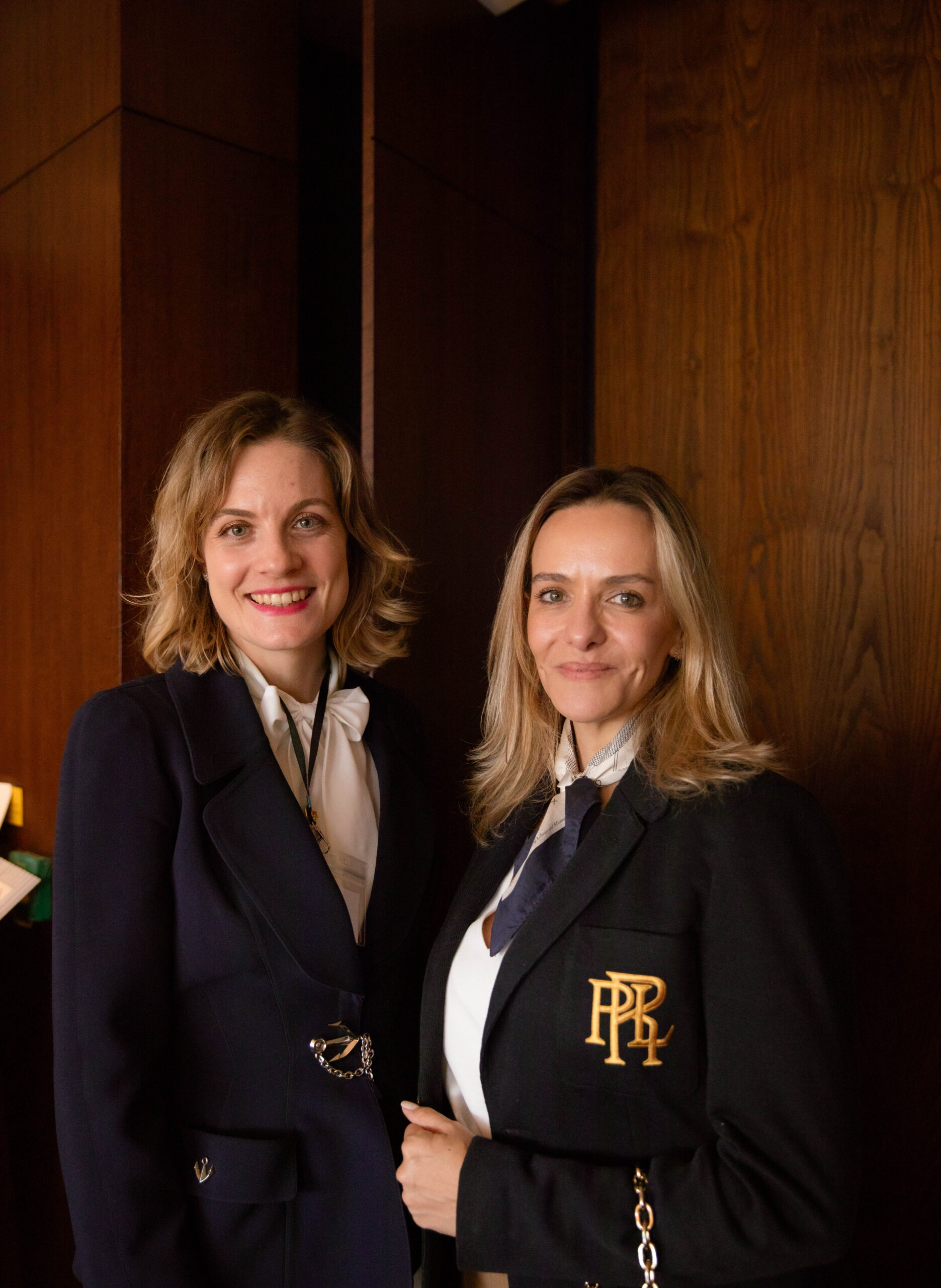
Your Applied Master Project is the principal evidence that you can apply what you have learned.
You will create an original etiquette coaching programme for a clearly defined audience. The project must demonstrate subject authority, cultural awareness, advanced coaching, purposeful learning design and commercial viability.
The recommended completion period is eight to twelve weeks after the live programme.
- ◆Client and audience analysis
- ◆An original etiquette coaching programme
- ◆Detailed session plans and learning outcomes
- ◆Facilitator and participant materials
- ◆Assessment and evaluation methods
- ◆A recorded teaching demonstration
- ◆Pricing and commercial rationale
- ◆A client proposal or service agreement
- ◆A 90-day implementation plan
- ◆Critical reflection and source declaration
Attendance alone is
not enough
To receive the Master Certification in Etiquette Coaching, you must:
- ◆Attend and participate fully in all three live days
- ◆Complete the practical exercises and assessed activities
- ◆Demonstrate appropriate professional and ethical conduct
- ◆Submit the Applied Master Project
- ◆Meet the required assessment standard
If you complete the live programme but do not submit or pass the project, you will receive a record of attendance rather than the Master Certification. This distinction protects the value of the qualification and the credibility of every successful graduate.
You will leave the live
programme with
- ◆A stronger and more integrated command of etiquette and protocol
- ◆Greater confidence in complex and unfamiliar situations
- ◆A practical method for researching international conventions
- ◆Advanced tools for coaching behavioural change
- ◆A framework for designing effective client programmes
- ◆Experience in handling realistic social, corporate and protocol cases
- ◆A clearer professional position
- ◆A more commercially viable range of services
- ◆Practical guidance on pricing, proposals and client management
- ◆Structured faculty and peer feedback
- ◆A detailed brief for your Applied Master Project
- ◆A focused 90-day professional action plan
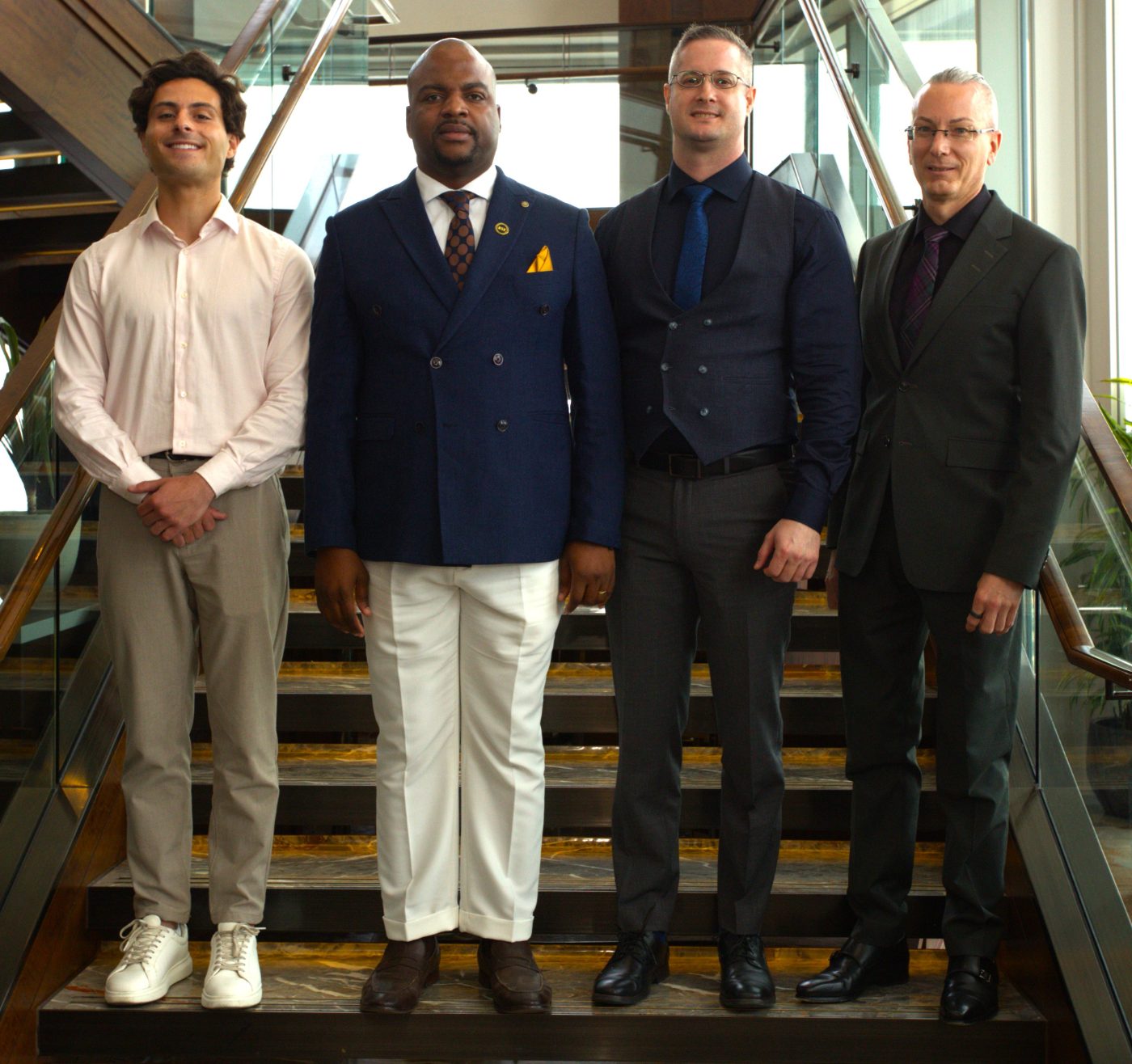
More than
polished presenters
The etiquette profession needs more than polished presenters. It needs knowledgeable and thoughtful practitioners who understand context, respect cultural difference, maintain professional boundaries and know how to help people change.
It also needs coaches who can advise organisations, communicate with senior clients and demonstrate the practical value of their work.
The Master Certification in Etiquette Coaching is for professionals who are ready to accept that responsibility.
Apply for the
Master Certification
Places are limited to protect the quality of the practical work, individual observation and faculty feedback.
Admission is by application and interview. If you already have relevant training or professional experience and want to develop a higher level of authority, we invite you to apply.
thebritishschoolofexcellence.com
hello@thebritishschoolofexcellence.com
+44 755 388 5492