
Polished
& Powerful
Social etiquette for the modern man — how to dress, how to speak, and how to behave with quiet confidence.
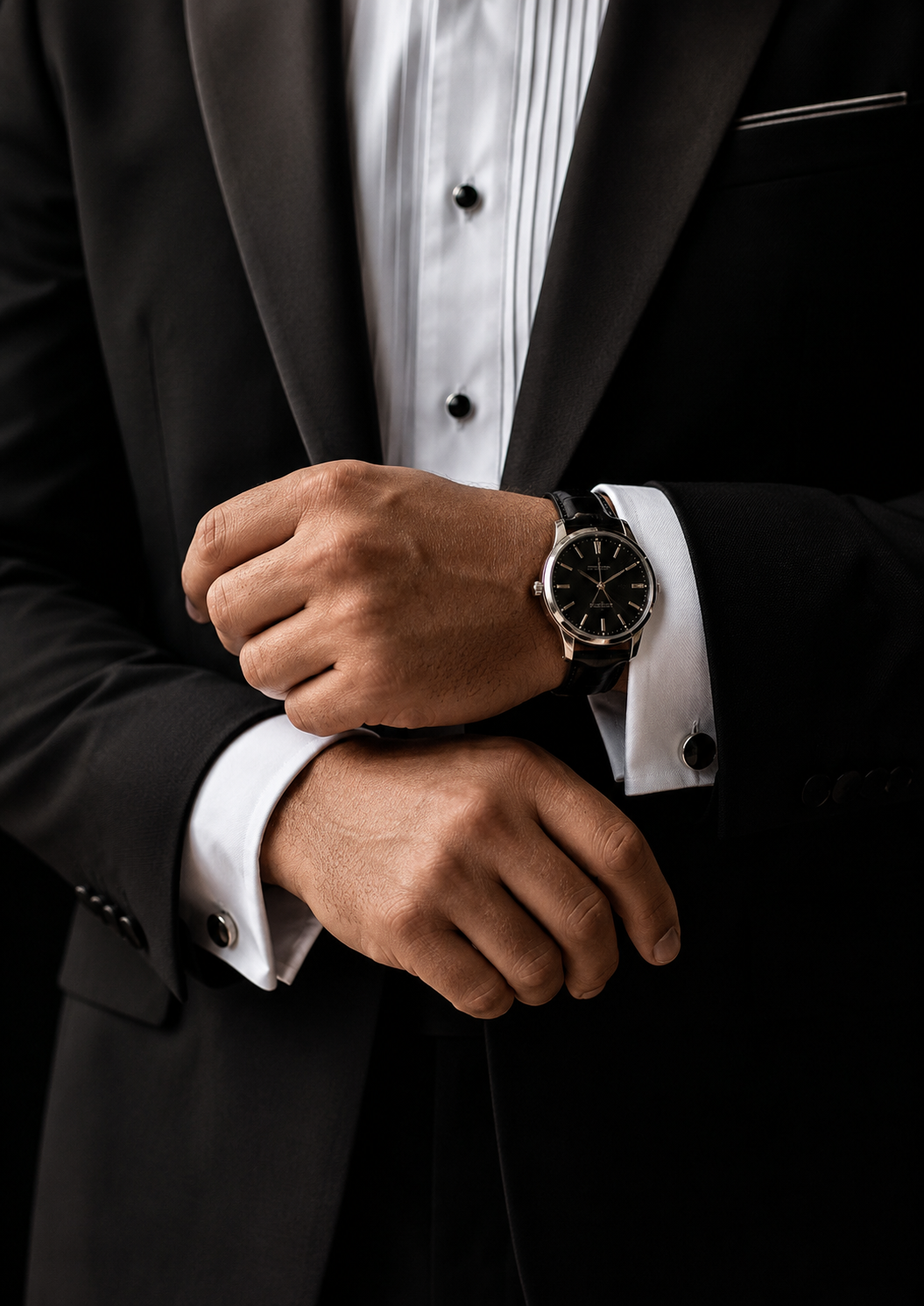
How you present yourself shapes how others experience you
Polished & Powerful is for men who want to feel more confident in how they present themselves and move through social and professional situations. It is practical and current — not about rigid rules, but about understanding what is appropriate and making considered choices.
The programme is delivered in two ninety-minute Movements. The first covers personal presence, grooming and dress. The second covers social confidence, modern manners and fine dining.
Knowing what to wear matters. Knowing how to behave once you arrive matters just as much.
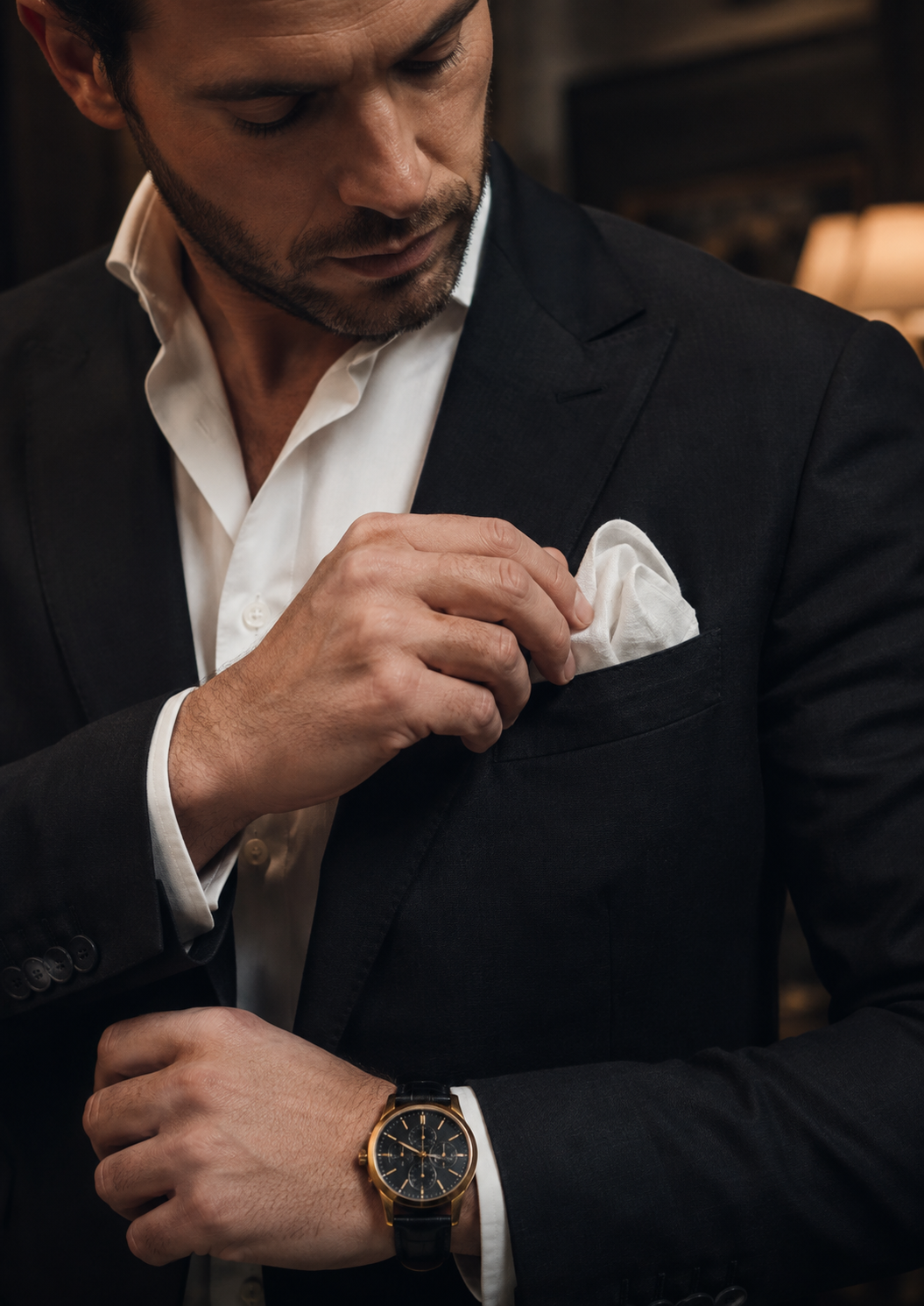
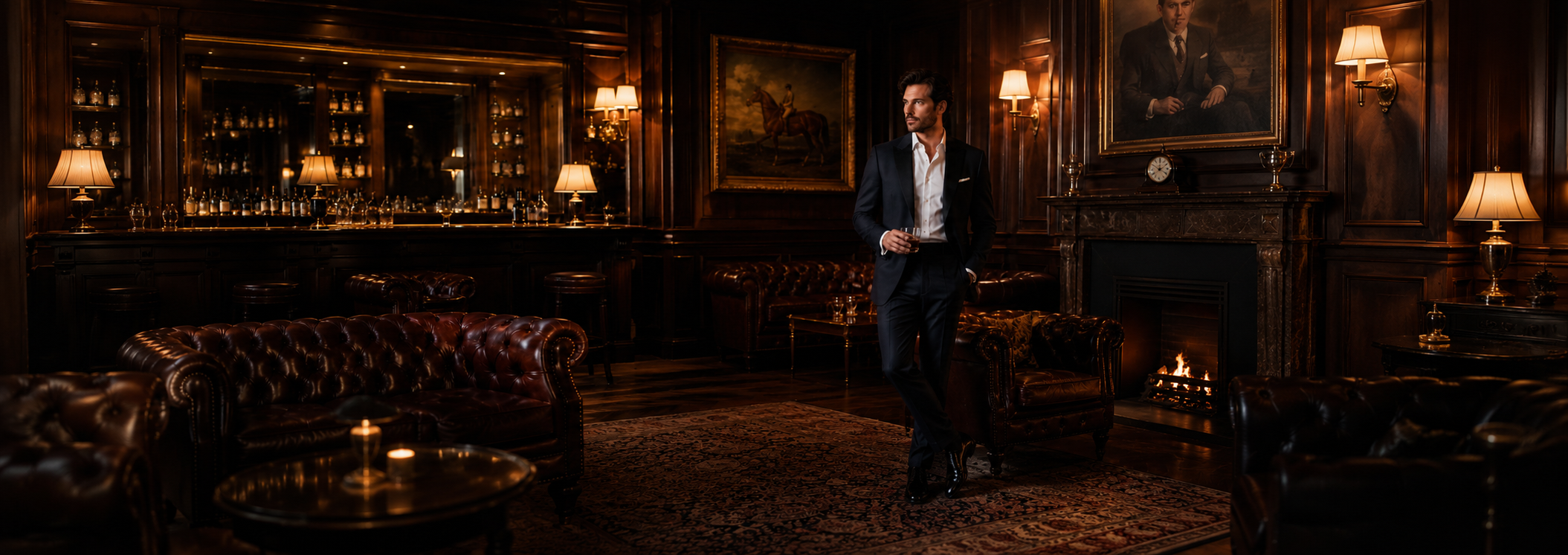
A modern gentleman does not need an enormous wardrobe or expensive labels. He needs to understand fit, proportion, quality and context.
The questions men actually want answered
- ◆An invitation gives a dress code you cannot confidently interpret
- ◆An invitation gives no dress code at all
- ◆You are unsure whether a suit is fitting you properly
- ◆You do not know which shoes work with which trousers
- ◆You walk into a room where you know nobody
- ◆You want to join a conversation without interrupting it
- ◆You forget someone's name moments after hearing it
- ◆Networking feels like collecting contacts rather than meeting people
- ◆You are unsure what good dating etiquette looks like now — and who pays
- ◆You do not know what to do with your phone at dinner
- ◆A formal table setting makes you self-conscious
- ◆You would like to host well, and be the sort of guest who is invited back
Polished & Powerful answers all of them — practically, and without judgement. The emphasis is not on performing charm, but on becoming comfortable enough to pay attention to the people around you.
Two Movements, ten areas
Each Movement runs for ninety minutes, live online, in a small group. They may be taken together as the full programme or attended individually.
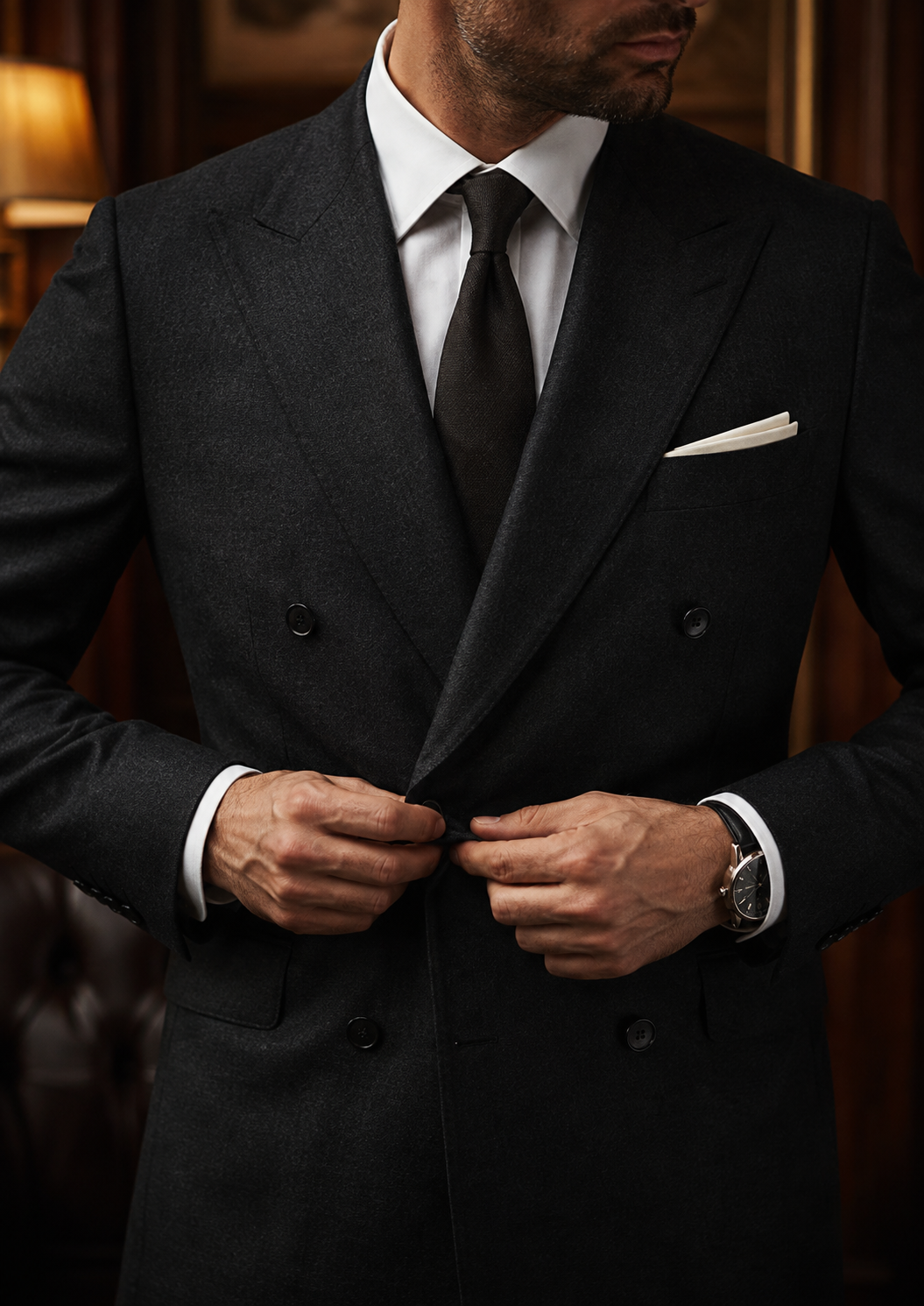
Personal Presence, Style & The Modern Gentleman
Movement One covers the practical elements of personal presence: how grooming, clothing, posture and attention to detail work together. Rather than simply telling men to "dress well", we explain what appropriate dress actually means — dress codes, tailoring, and how individual pieces should work together.
01Personal Presence+
- ◆First impressions, posture and carriage — walking, standing and sitting with confidence.
- ◆Eye contact, facial expression, handshakes and personal space.
- ◆Voice and pace of speech; calm body language and managing nervous habits.
- ◆Looking confident without appearing arrogant.
02Grooming & Personal Care+
The details people notice, even when they do not consciously realise they are noticing them.
- ◆Hair and haircuts, shaving, beard and moustache care.
- ◆Skin, hands and nails, teeth and breath, personal hygiene.
- ◆Fragrance — and the appropriate use of aftershave and cologne.
- ◆Maintaining clothing and shoes, and looking polished when travelling.
03Understanding Men's Dress Codes+
Participants learn how to interpret a dress code rather than guess — and what to do when an invitation gives none at all.
- ◆White tie, morning dress, black tie and black tie optional.
- ◆Lounge suit, business formal, business professional and business casual.
- ◆Cocktail, smart casual, casual and resort wear.
- ◆Weddings, funerals, country and sporting events.
04Tailoring, Shirts & Trousers+
The foundations of dressing well — including the difference between a suit jacket, blazer, sports jacket and dinner jacket.
- ◆Suits — navy, charcoal, grey and black; single- and double-breasted; two- and three-piece.
- ◆Fit — jacket length, shoulder fit, sleeve length, shirt cuff, trouser length and break; when a suit is too tight and when tailoring needs alteration.
- ◆Shirts — business shirts, Oxford, poplin, twill and linen; polos and quality T-shirts; collar styles and fit; when to tuck in, undershirts and how many buttons to leave open.
- ◆Trousers — suit and tailored trousers, chinos, corduroy and denim; rise, break, pleats, turn-ups and appropriate fit.
05Shoes, Belts, Coats & Accessories+
Often the most useful part of the session — the details that finish an outfit, with an emphasis on restraint and quality.
- ◆Shoes — Oxfords, Derbies, monk straps, loafers, Chelsea and chukka boots, suede, formal evening shoes and minimal trainers; which work with suits, tailored trousers, chinos, jeans and evening wear; shoe care and when footwear needs replacing.
- ◆Belts — when a belt is required and when it is not; coordinating leather; formal versus casual belts and buckles; why dinner trousers are not worn with an ordinary belt.
- ◆Coats — wool overcoats, trench, car and pea coats, casual and technical outerwear; what may be worn over a suit and what should not.
- ◆Accessories — watches, ties, pocket squares, cufflinks, eyewear, wallets, bags and umbrellas.
We close by looking at the occasions that come up in real life: a first date, a business meeting, a job interview, a networking event, a wedding or funeral, a formal dinner or Michelin-starred restaurant, the theatre, a cocktail or garden party, a private members' club, an international conference, a country weekend and a long-haul journey.
Participants leave with a much clearer understanding of how to dress appropriately — without feeling overdressed, underdressed or unsure.
Social Confidence, Modern Manners & Fine Dining
Movement Two gives practical answers to the social situations many men find surprisingly difficult, and closes at the table. The emphasis is not on performing charm, but on becoming socially comfortable enough to pay attention to the people around you.
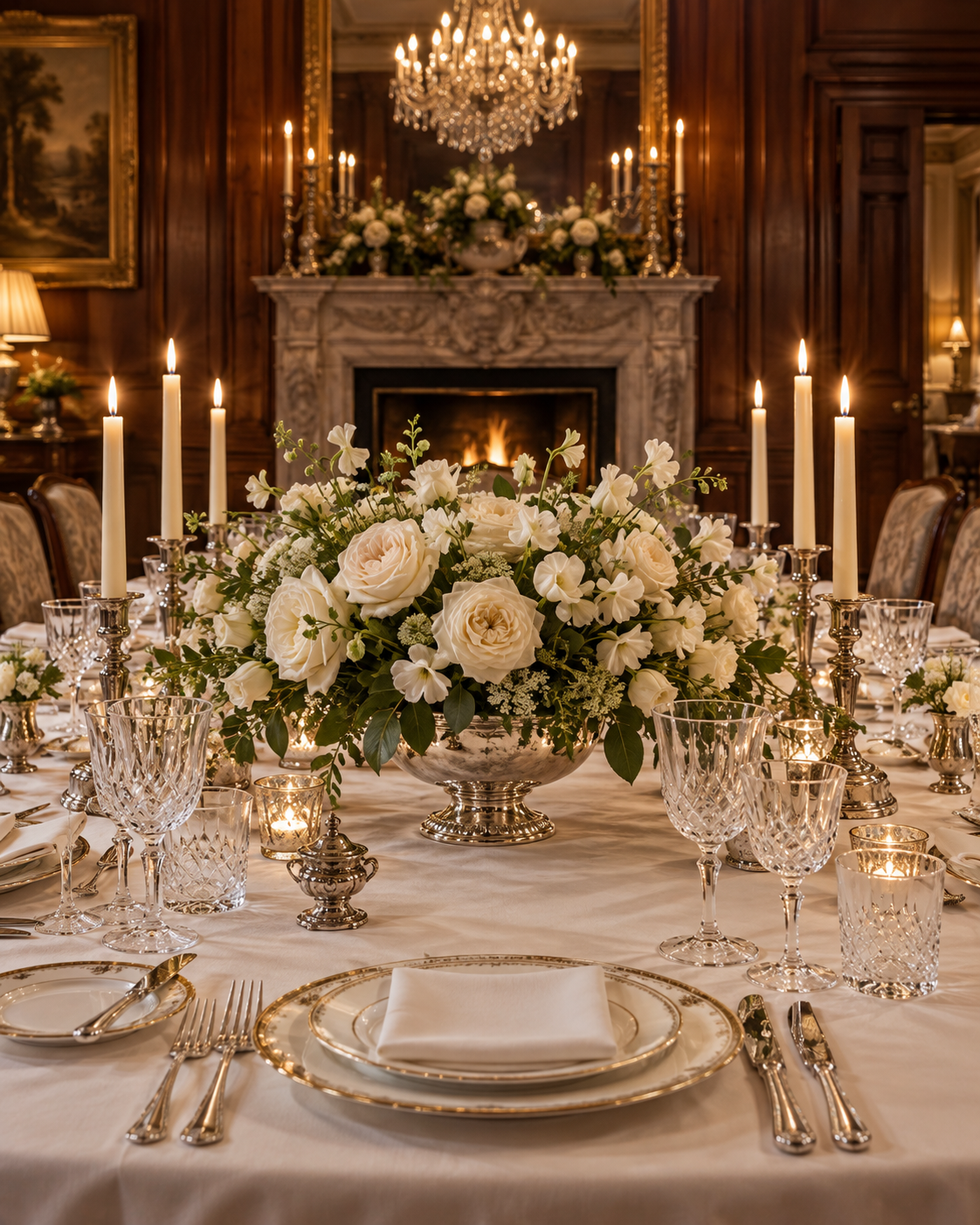
01Entering a Room & Introductions+
- ◆Entering a room alone, orientating yourself and approaching people naturally.
- ◆Joining a group, recognising when not to interrupt, moving between conversations and leaving politely.
- ◆Introducing yourself, two other people, or a partner — professionally and socially.
- ◆Titles and seniority, remembering names, what to do when you forget one, and helping people feel included.
02The Art of Conversation+
Conversation is a skill, not a personality type.
- ◆Starting a conversation, keeping it moving, asking better questions and listening properly.
- ◆Telling a story without dominating, handling silence, using humour and including quieter people.
- ◆Managing disagreement, avoiding oversharing and ending a conversation gracefully.
- ◆Speaking naturally with senior executives, older and younger people, other cultures — and subjects that require judgement, including money, politics, religion and health.
03Networking & Behaviour at Events+
Networking should feel like meeting people, not collecting contacts.
- ◆Approaching strangers, explaining what you do succinctly and exchanging contact details.
- ◆LinkedIn etiquette, following up well and building relationships without immediately trying to sell.
- ◆Invitations and RSVPs, arrival times, greeting the host, host gifts, phones, photography, alcohol and thanking the host afterwards.
- ◆Difficult moments — rudeness, someone who drinks too much, intrusive questions, and what to do when you make a social mistake.
04Modern Dating & Digital Etiquette+
Dating has changed considerably. Courtesy still matters — showing interest without becoming overbearing, and respecting another person's boundaries.
- ◆Before — dating apps, opening messages, moving from messaging to meeting, asking clearly, choosing a venue and punctuality.
- ◆During — greeting, phones, conversation and listening, compliments, alcohol, physical contact, reading cues, boundaries and consent.
- ◆Chivalry & the bill — courtesies offered naturally; who invited, being prepared to pay, splitting gracefully, generosity without expectation.
- ◆Afterwards — messaging well, expressing interest clearly, accepting rejection, declining a second date respectfully and never ghosting.
- ◆Digital — WhatsApp, voice notes, group chats, email, social media, read receipts, message timing and video calls — and when to stop messaging and simply telephone.
05Fine Dining, Hosting & Being a Good Guest+
- ◆Approaching the table, seating, napkin, cutlery, glassware, bread and butter.
- ◆Ordering, wine, difficult foods, phones at the table, leaving the table, paying and tipping.
- ◆Speaking to waiting staff and handling mistakes discreetly.
- ◆Hosting and being a guest — accepting invitations, dietary requirements, host gifts, making introductions, knowing when to leave and thank-you messages.
A gentleman's behaviour towards the people serving him says far more about him than knowing which fork to use.
The Polished & Powerful promise
Across the two Movements, participants develop skills they can use immediately: how to dress appropriately, speak to people they do not know, navigate social occasions, date respectfully, network naturally and handle formal dining without feeling self-conscious.
To know what to wear. To know what to say. To know how to behave — and to have the confidence to make other people feel comfortable in your company.
Programme details
We would be delighted to welcome you
Speak with us about dates, private delivery or which Movement to begin with. There is no obligation — simply a conversation.