
Signature
Programme
Become an internationally-certified etiquette coach — five days in person, in the heart of London.
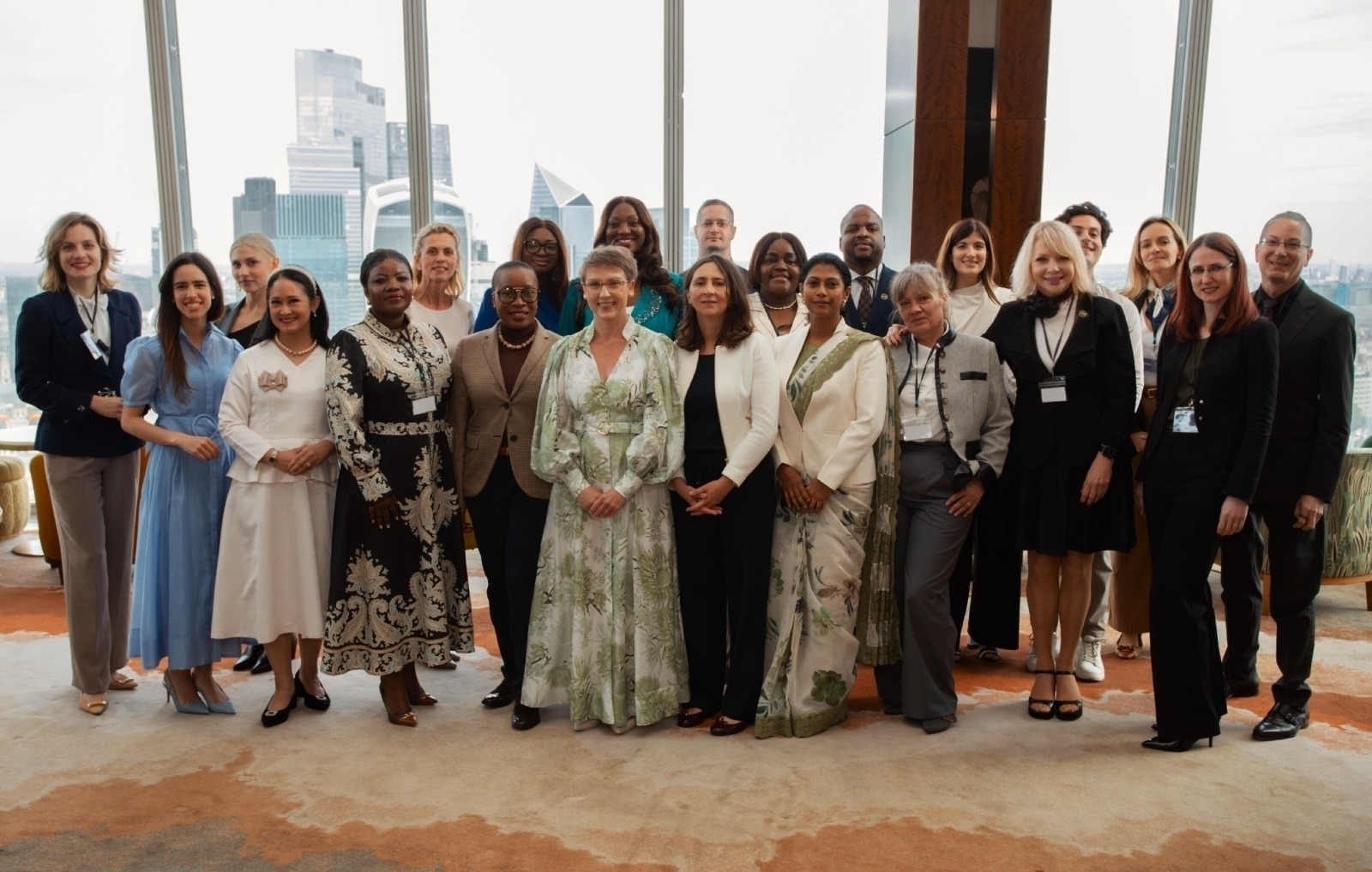
Are you ready to experience etiquette at its very best, in the heart of London?
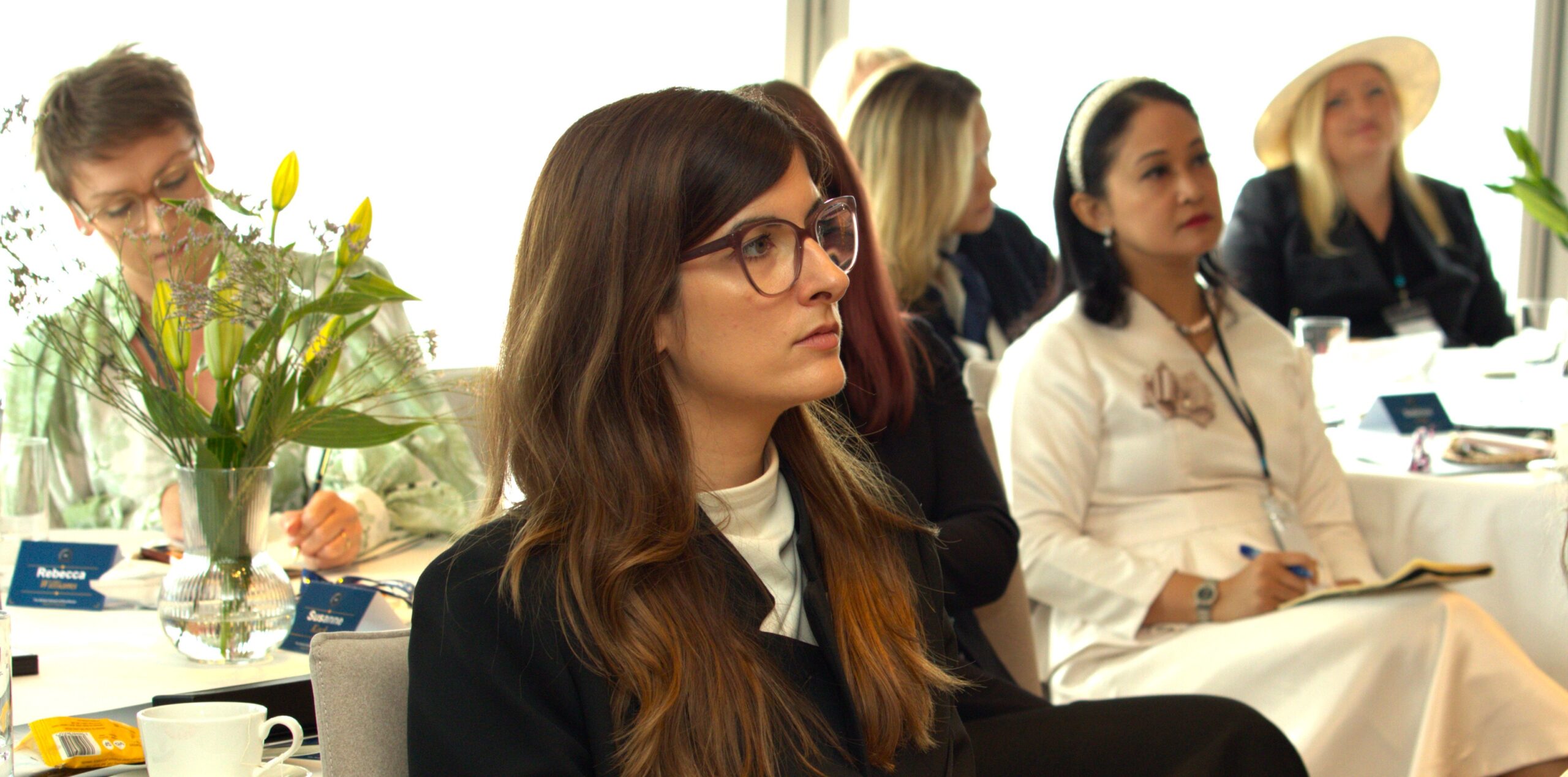
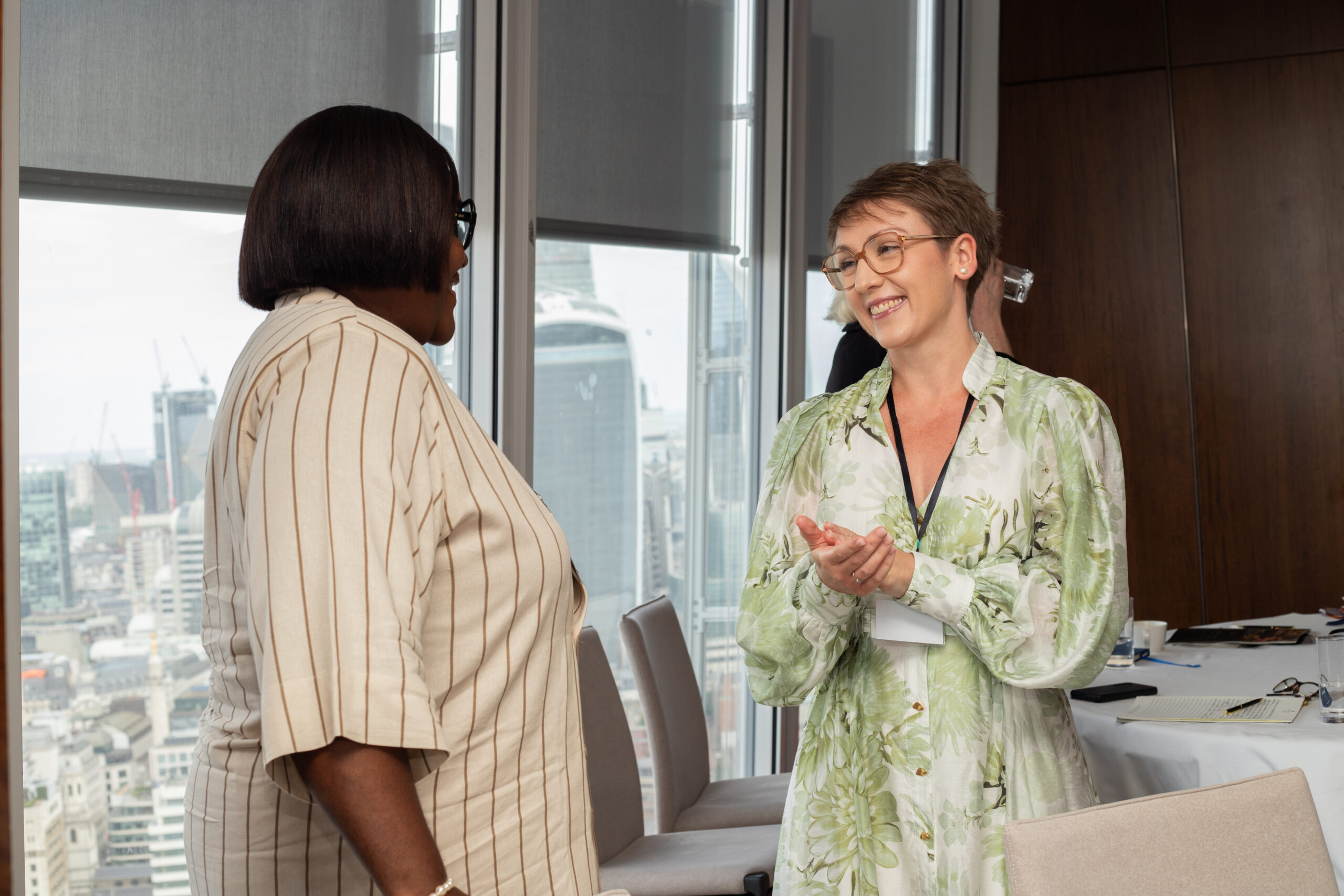
The Signature Programme Live in London is an exceptional opportunity to immerse yourself in five days of professional etiquette training while experiencing the very standards you are learning to teach.
Rather than studying these principles only in theory, you will experience them first-hand at some of London’s most iconic venues, guided by expert coaches who bring deep practical knowledge of social etiquette, business etiquette, personal presence, fine dining and afternoon tea.
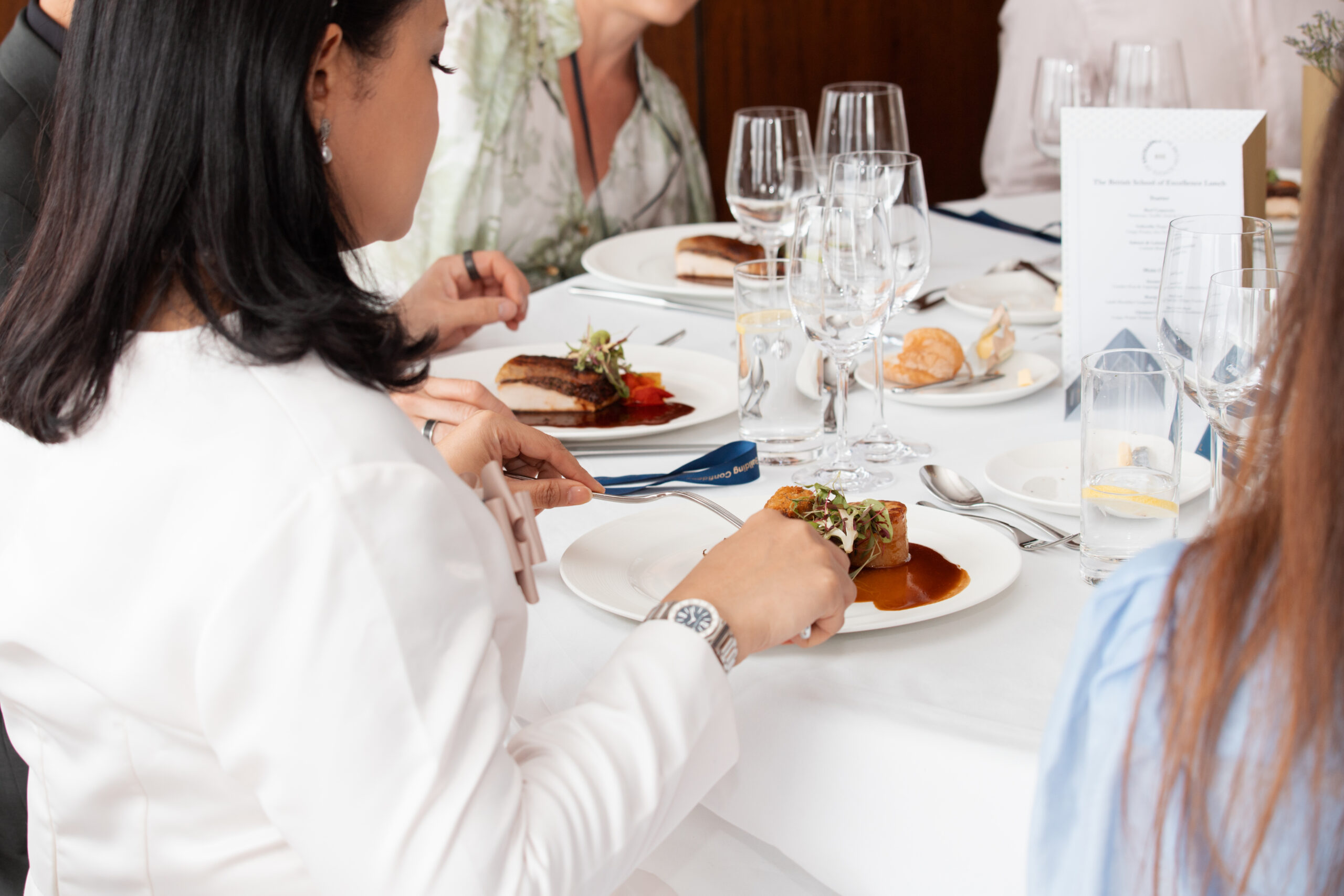
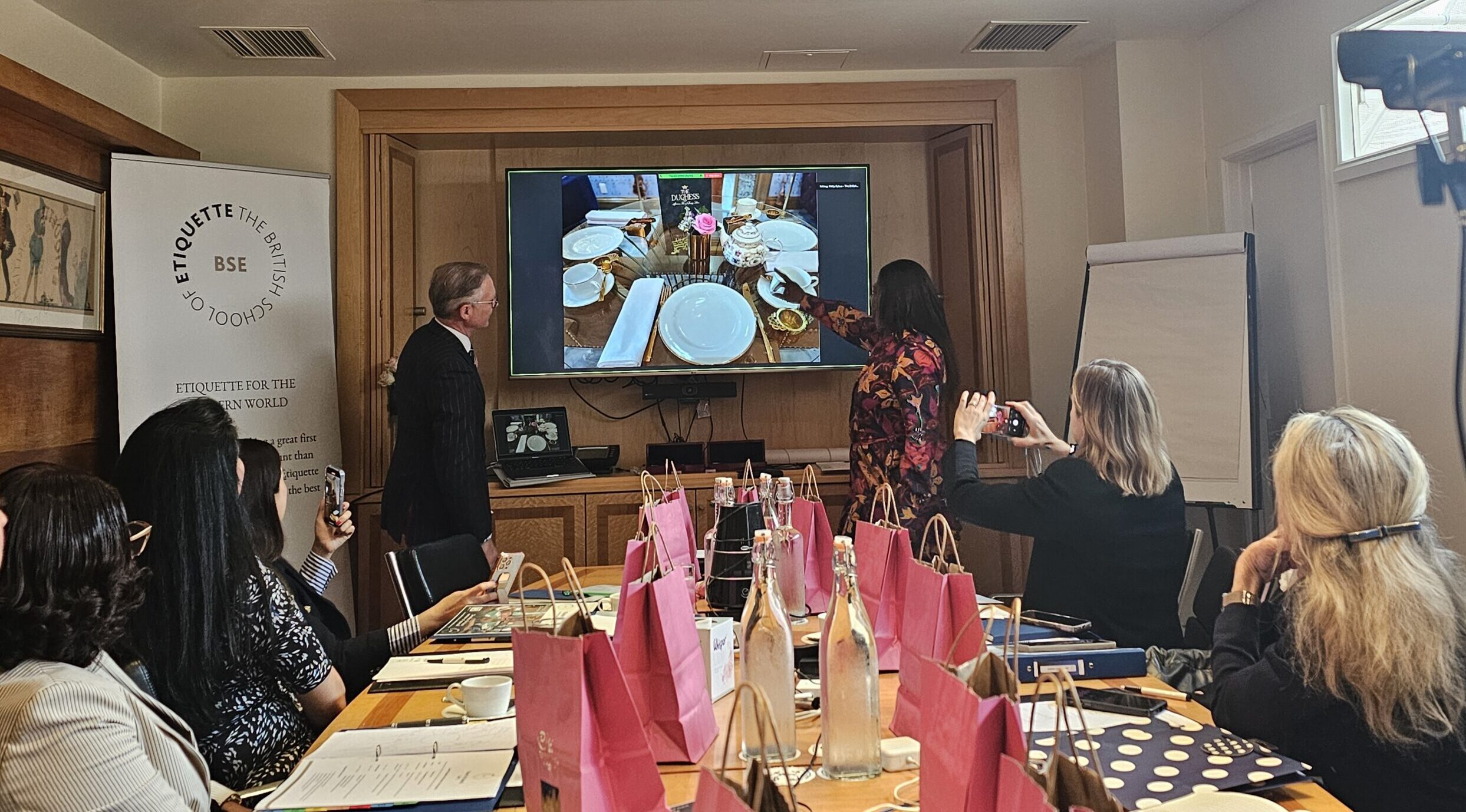
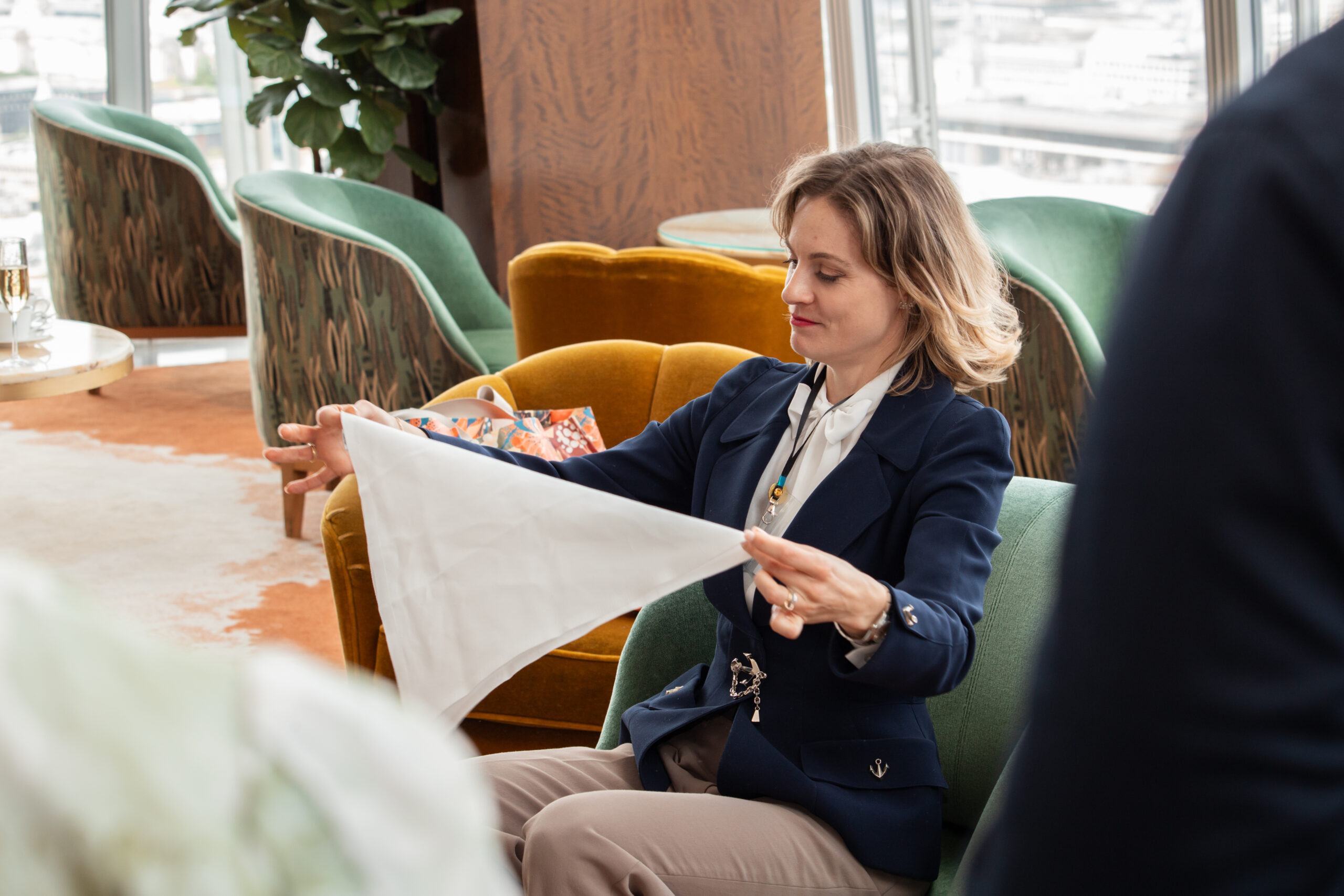
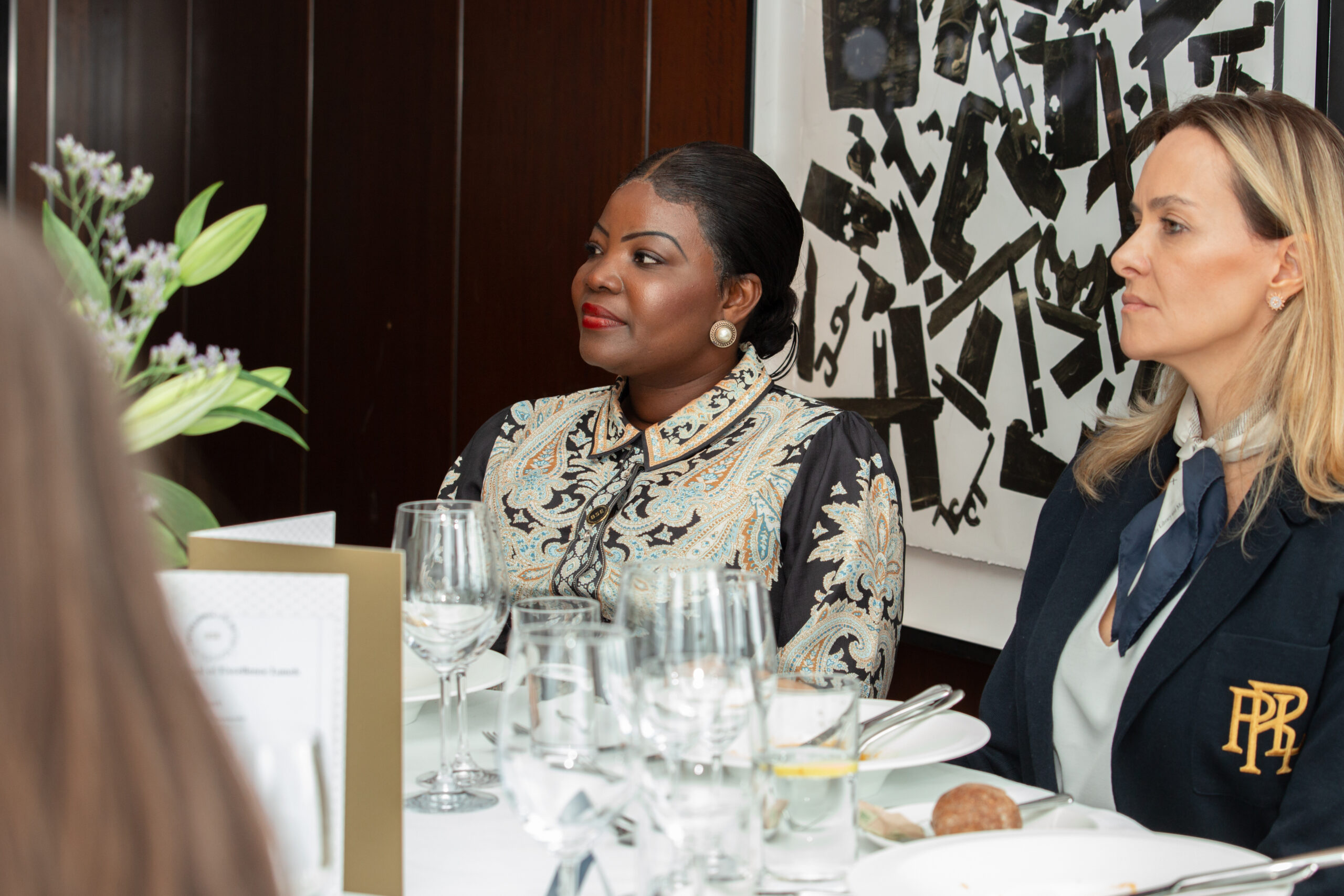
Throughout the programme, you will take part in carefully designed practical sessions, live demonstrations and real-world experiences that bring every aspect of the training to life. Fine dining and afternoon tea are not simply topics within the curriculum. They are part of the experience itself, giving you the opportunity to practise in authentic settings and develop the confidence to teach these skills professionally.
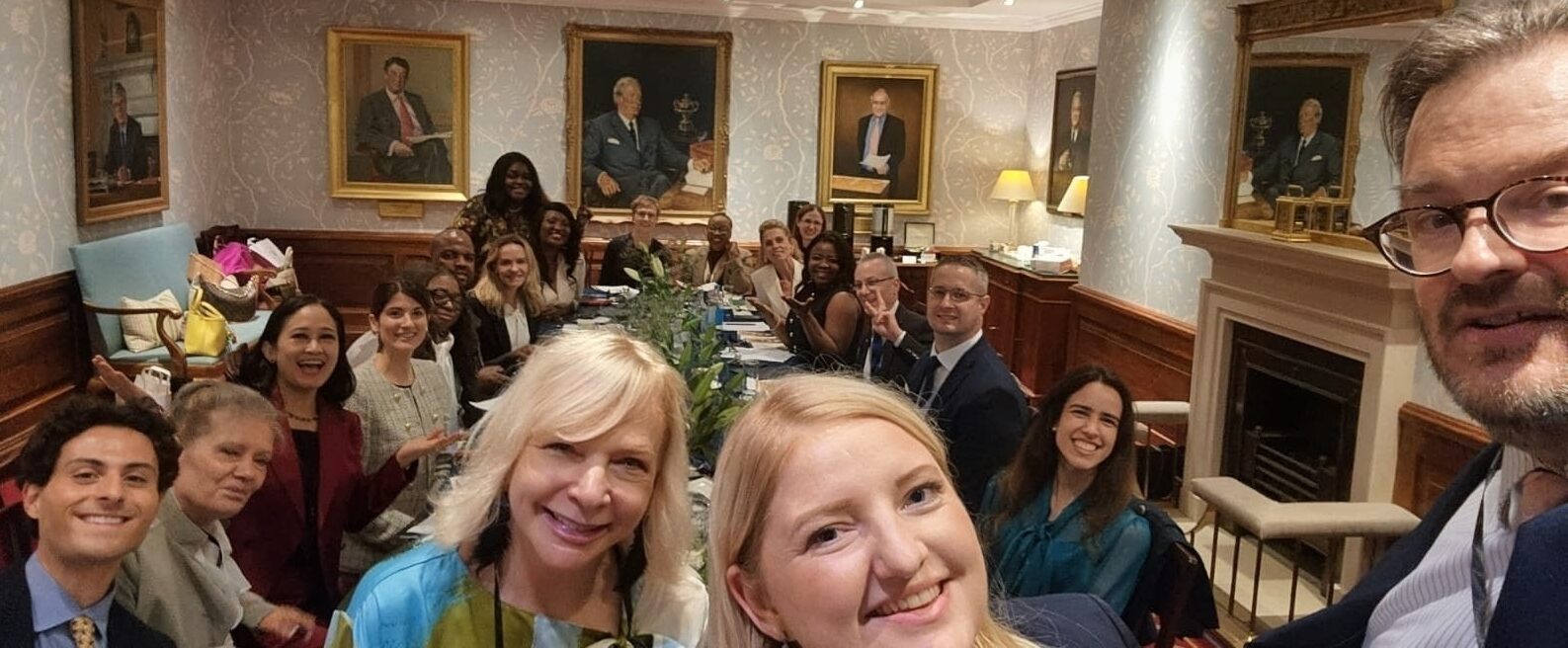
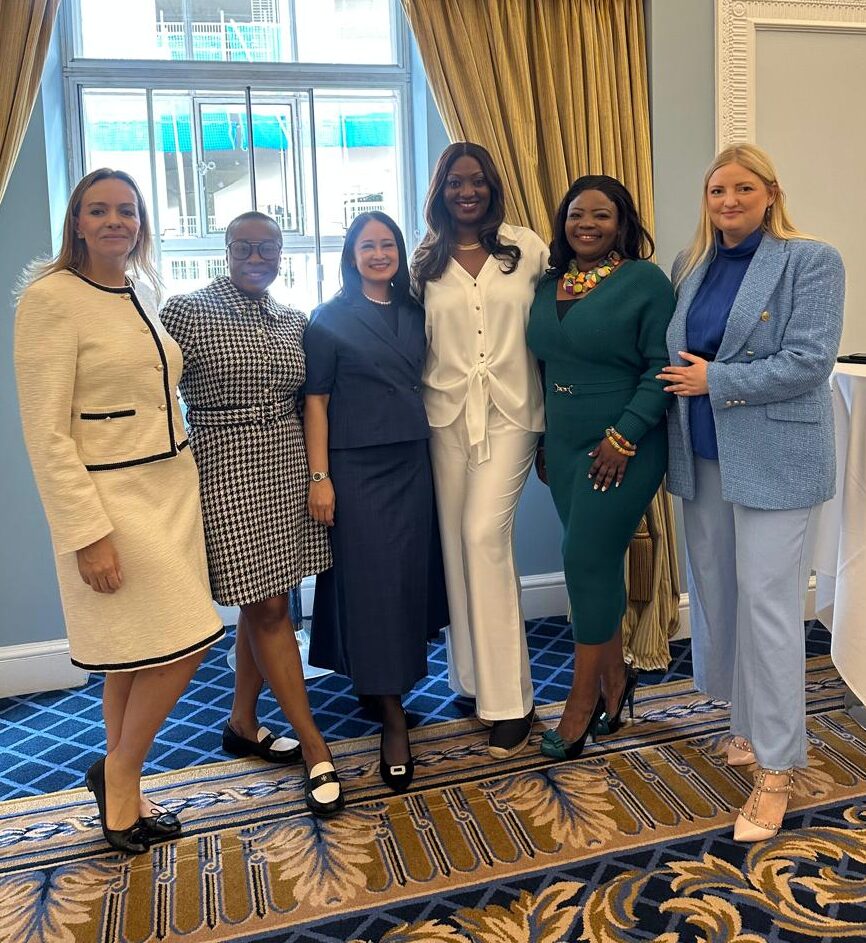
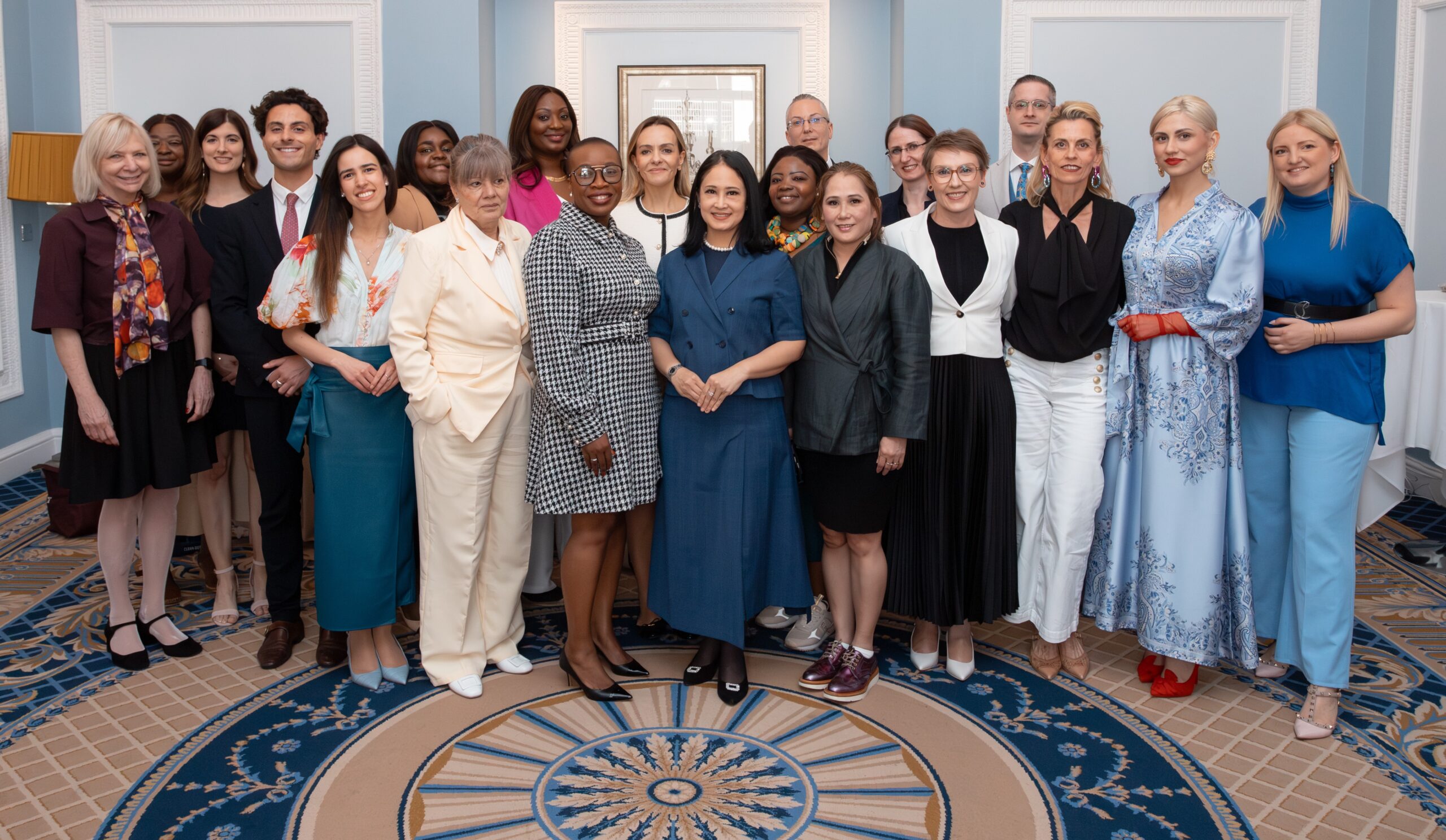
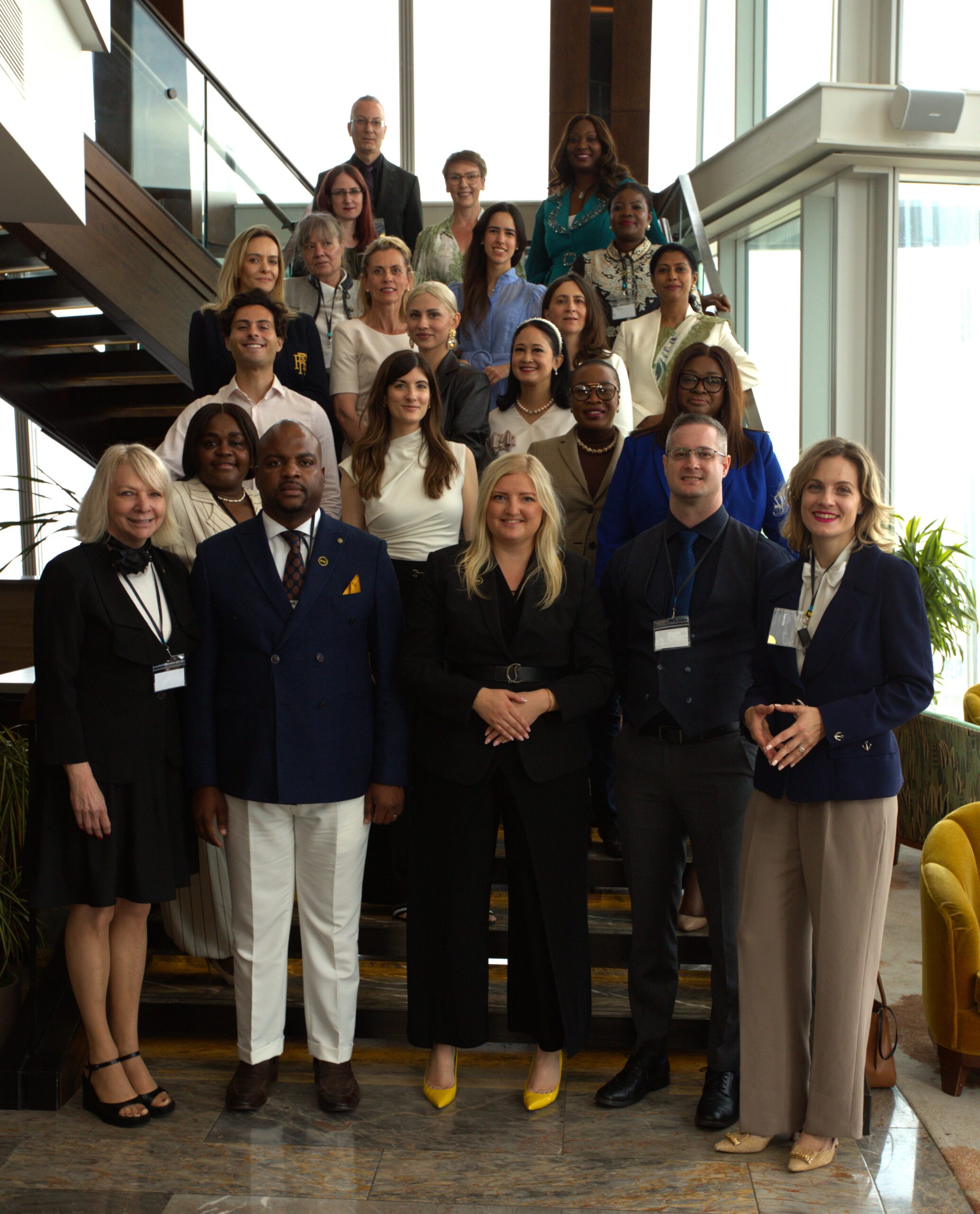
Just as importantly, you will be learning alongside participants from around the world. The programme creates a unique international environment where you can exchange ideas, build relationships and form valuable professional connections with people who share your interest in etiquette, education, coaching and personal development.
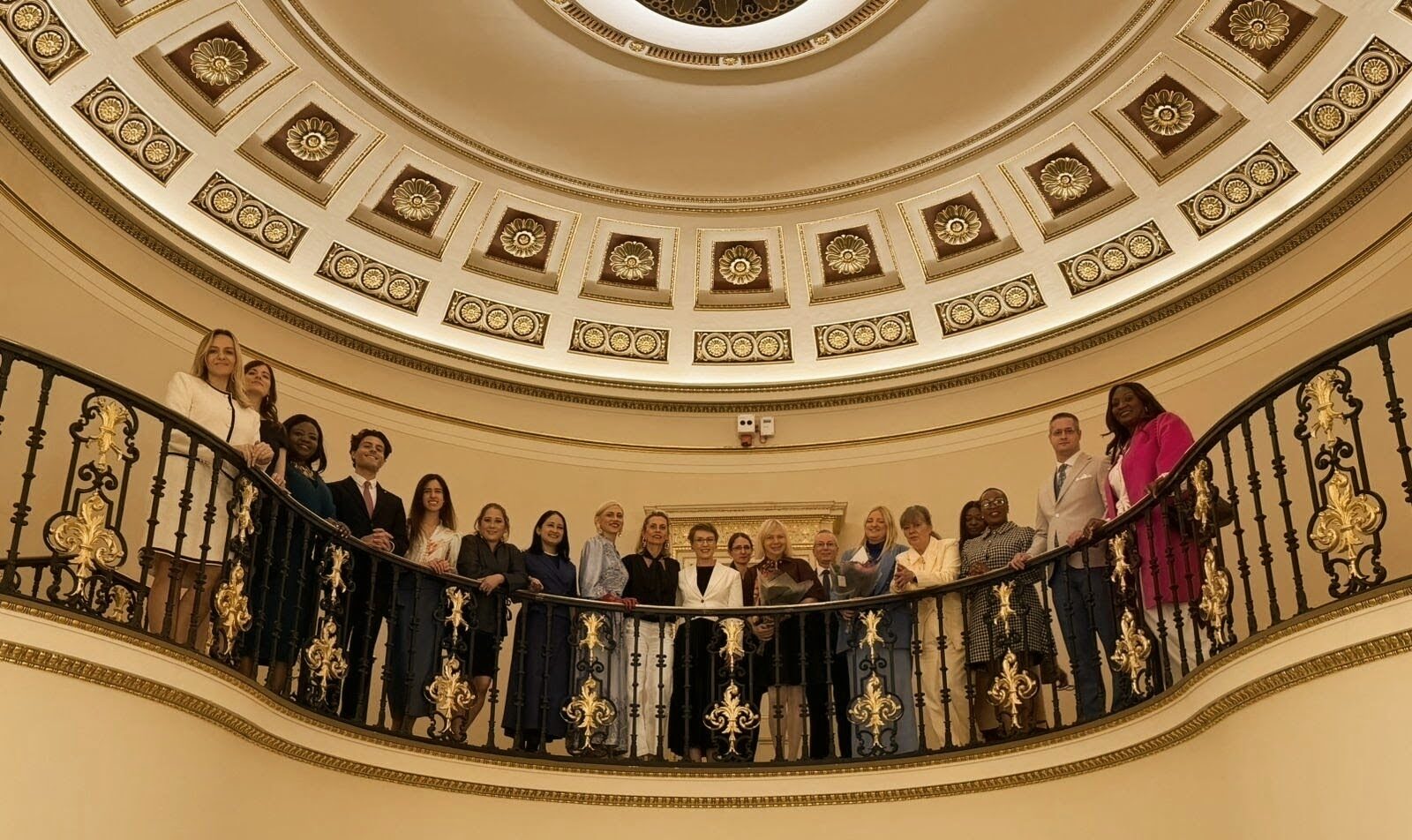
London provides the perfect setting. Its heritage, international character and long association with British etiquette make it an extraordinary place to develop your skills and gain a deeper understanding of the standards you will later teach to others.
By the end of the five days, you will leave with far more than a professional certification. You will have experienced British etiquette in practice, learned directly from expert coaches, enjoyed exceptional dining and afternoon tea experiences, and become part of an international network of professionals.
The Signature Programme Live in London is designed to be both rigorous professional training and an experience you will remember for years to come.
You will leave with far more than knowledge. You will hold a full teaching framework — lesson plans, course structures, session timings and delivery methods for adults, children, teenagers, schools and corporate teams — alongside the business foundations of a practice: how to position yourself, price your work, find your first clients and speak about what you do with authority. Beginning a career in etiquette need not mean beginning alone.
For established coaches, the value lies in accreditation and standing. Certification recognised internationally, and underpinned by CPD and ILM — part of City & Guilds — gives clients, schools and corporate buyers a credential they can verify. It answers the question every serious prospect eventually asks: by whose standard were you trained? Many arrive with a thriving practice and leave with the authority to charge accordingly.
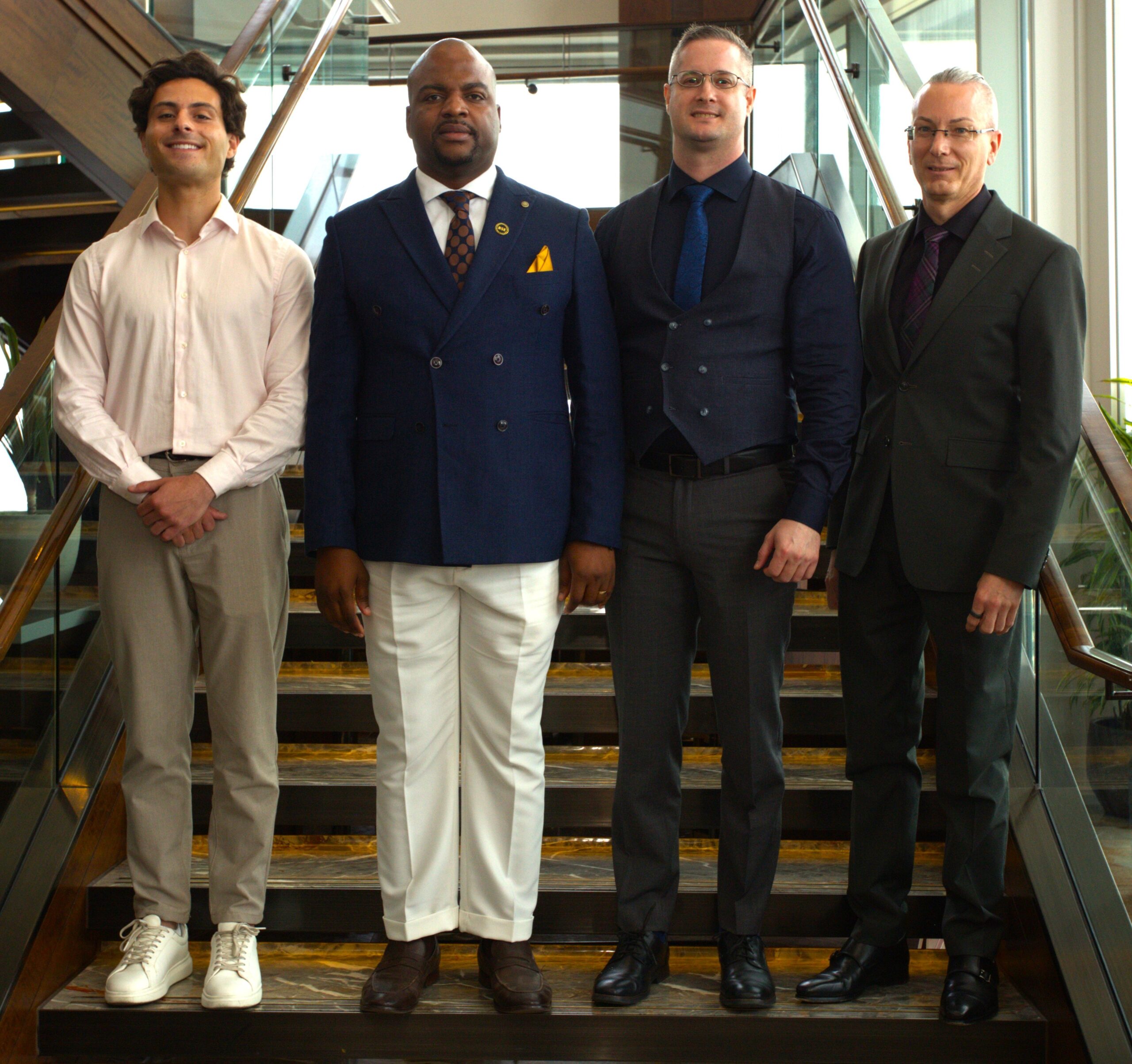
Not everyone comes to us to build a business, and that is welcome. The programme is five days of genuinely enjoyable material — the origins of etiquette, the correct laying of a table, the rituals of afternoon tea, dress codes, protocol, the small courtesies that carry real weight — taught in person, in conversation, with practical exercises rather than recorded lectures. Cohorts are deliberately international, and the discussion is much of the pleasure: you learn as much from how a courtesy is read in Riyadh, Lagos, Singapore or New York as from the syllabus itself. You leave part of a global alumni community of certified etiquette professionals, and that connection outlasts the five days.
Why etiquette coaching matters now
A generation is growing up fluent in screens and hesitant in rooms. So much of modern life is now conducted through a device that the face-to-face graces — reading a room, holding a conversation, shaking a hand, dining with ease — are no longer absorbed by osmosis. They must be deliberately taught.
Employers have noticed. In research for the UK government’s 2026 review of youth employment, the single biggest barrier to hiring a young person was not qualifications or technical ability, but soft skills and work readiness — named by 41% of employers surveyed. Nearly a million 16–24-year-olds in Britain are now not in education, employment or training. Meanwhile AI can draft the email, build the deck and summarise the meeting; what it cannot do is walk into a room, earn trust in ninety seconds and hold a conversation that makes someone want to work with you.
These are not decorative accomplishments. They are core life skills — confidence, empathy, self-regulation, the ability to belong anywhere — and they are learnable at any age. First impressions are formed in seconds and rarely revised. Etiquette coaching answers all of this at once, which is precisely why demand for well-trained coaches has never been higher.
“Manners maketh man.”
In Professional Settings
These skills decide trust, credibility, client relationships and leadership presence — and they are the qualities employers say they can least often find.
For Children
Children are sponges. Manners learned early become second nature, building confidence, self-esteem, resilience and genuine empathy before self-consciousness sets in.
For Teenagers & Young Adults
At the moment they most need it — interviews, first jobs, university, life online — young people are rarely taught how to introduce themselves, hold a conversation or handle conflict with dignity.
In a Screen-First World
What is typed lasts, and what is done in person still decides everything. Young people need both a considered digital reputation and the presence to be believed face to face.
In Personal Life
Consideration builds stronger relationships. People who know how to behave anywhere move through the world with far greater assurance and far less anxiety.
Never About Perfection
Etiquette is not superiority or rigid rules. It is kindness made practical — consideration, respect and the confidence to put others at ease.
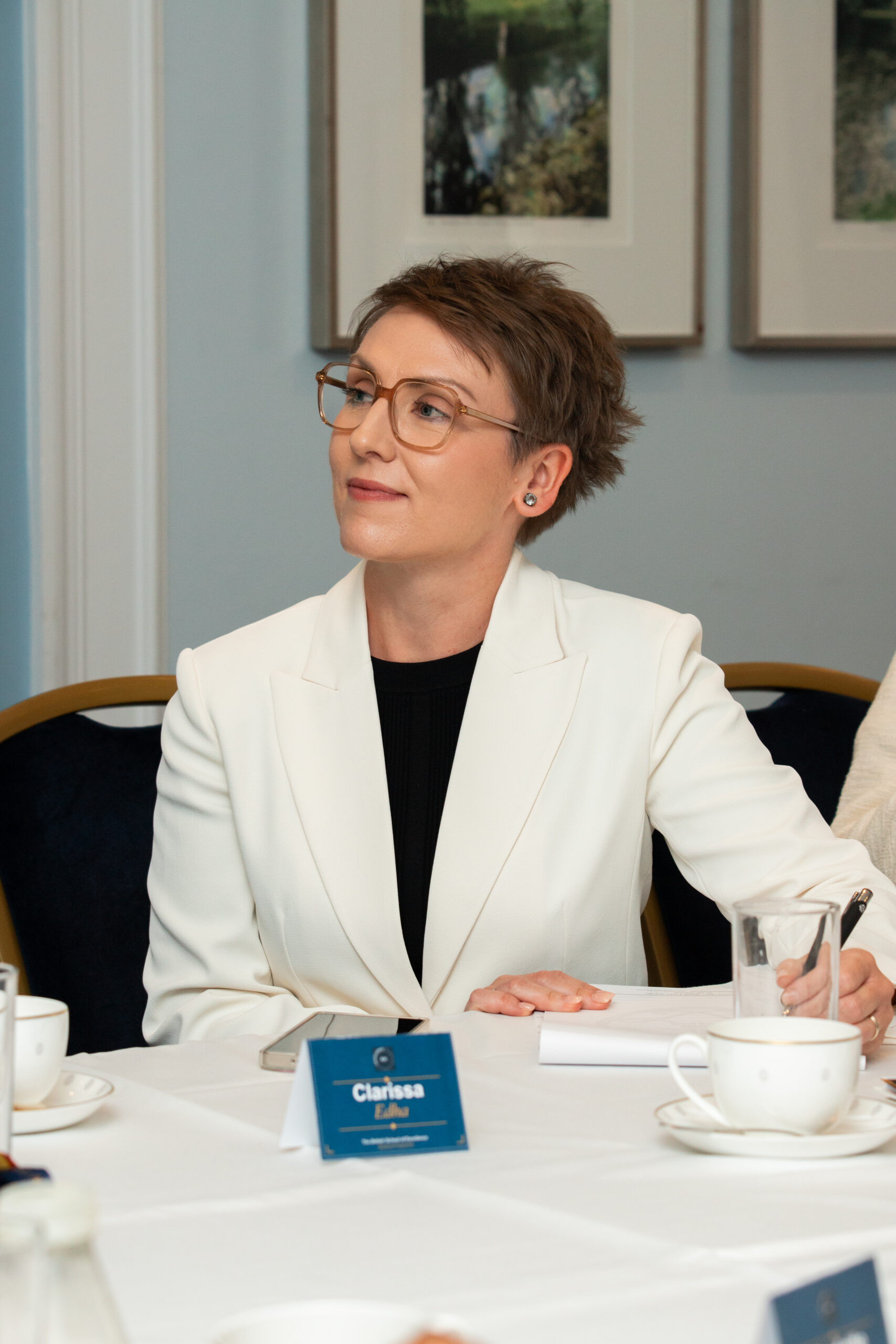
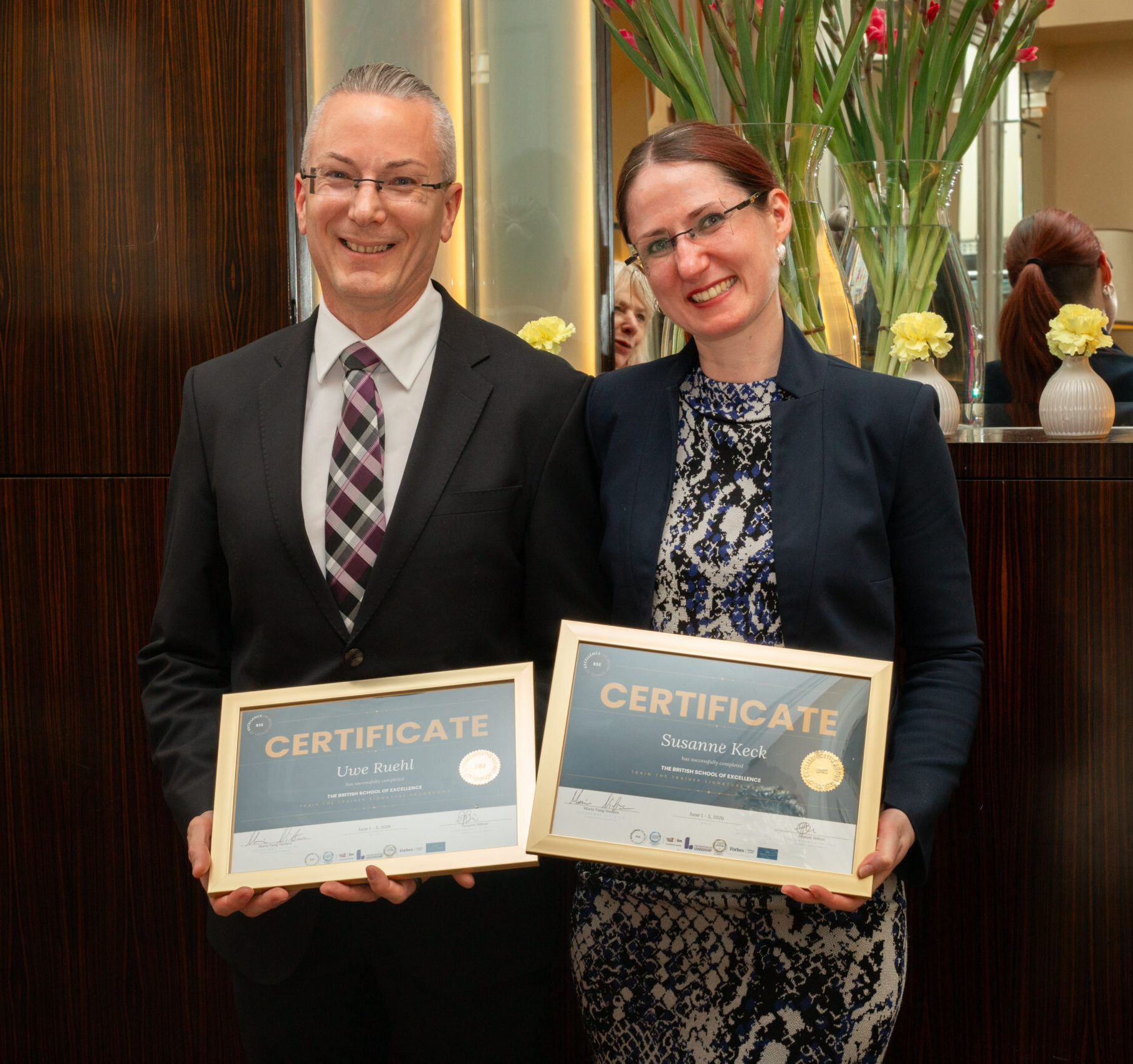
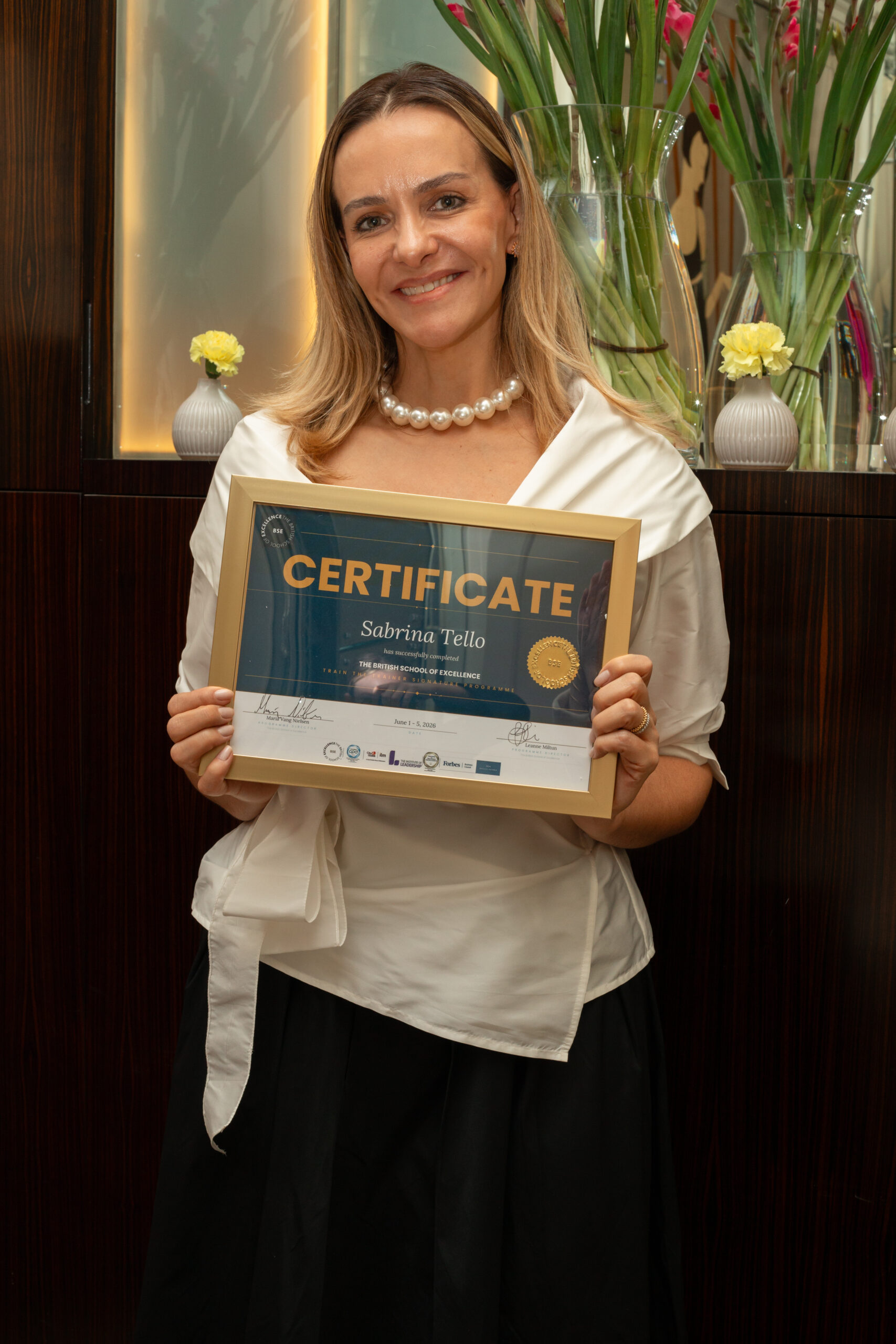
Hear from our graduates
Coaches who trained with us, in their own words.
This course is for you if…
You believe etiquette, manners and emotional intelligence can transform confidence, mindset and opportunity.
You want to help people become more self-aware, socially confident and considerate in how they communicate.
You want to teach adults, children, teenagers, families, schools, private clients or corporate teams.
You are ready to build a flexible, meaningful career — choosing your schedule and creating your own opportunities.
You want an internationally recognised certification and a global community of etiquette professionals.
You want to move beyond information and create transformation, immersed for five days in London.
“People will forget what you said, people will forget what you did, but people will never forget how you made them feel.”
Six modules, one standard
From the foundations of gracious social interaction to the craft of exceptional coaching — etiquette, presence and professional influence, taught in person in London in one framework.

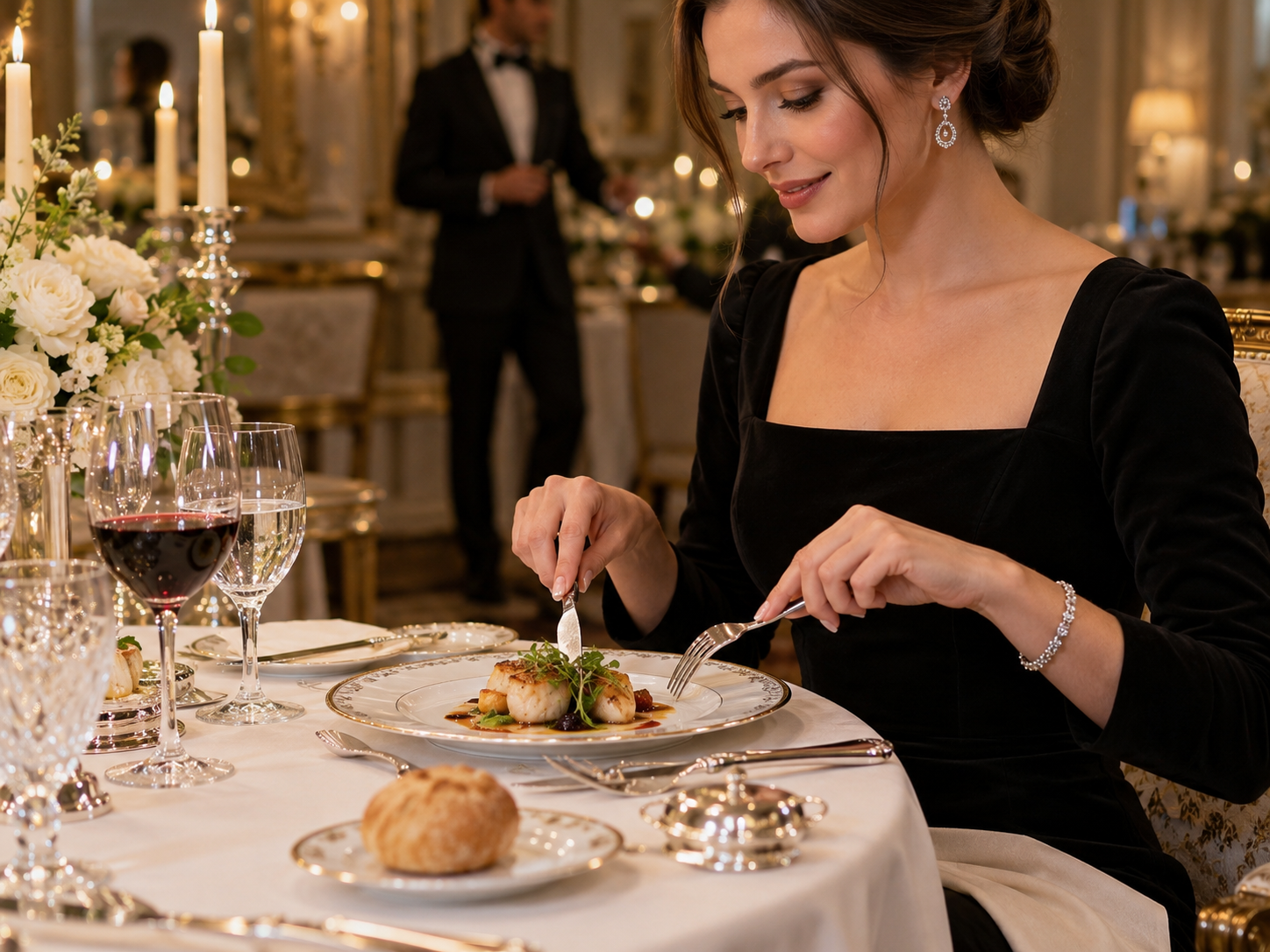
Social Etiquette
The origins of etiquette, gracious introductions, small talk and the art of the memorable first meeting.
View Module Details
Five days that change the way a room responds to you — the foundation on which every other module is built.
- ◆Trace etiquette from the Court of Versailles to the Victorian drawing room, and learn why the Golden and Platinum Rules still decide who is trusted in a room today.
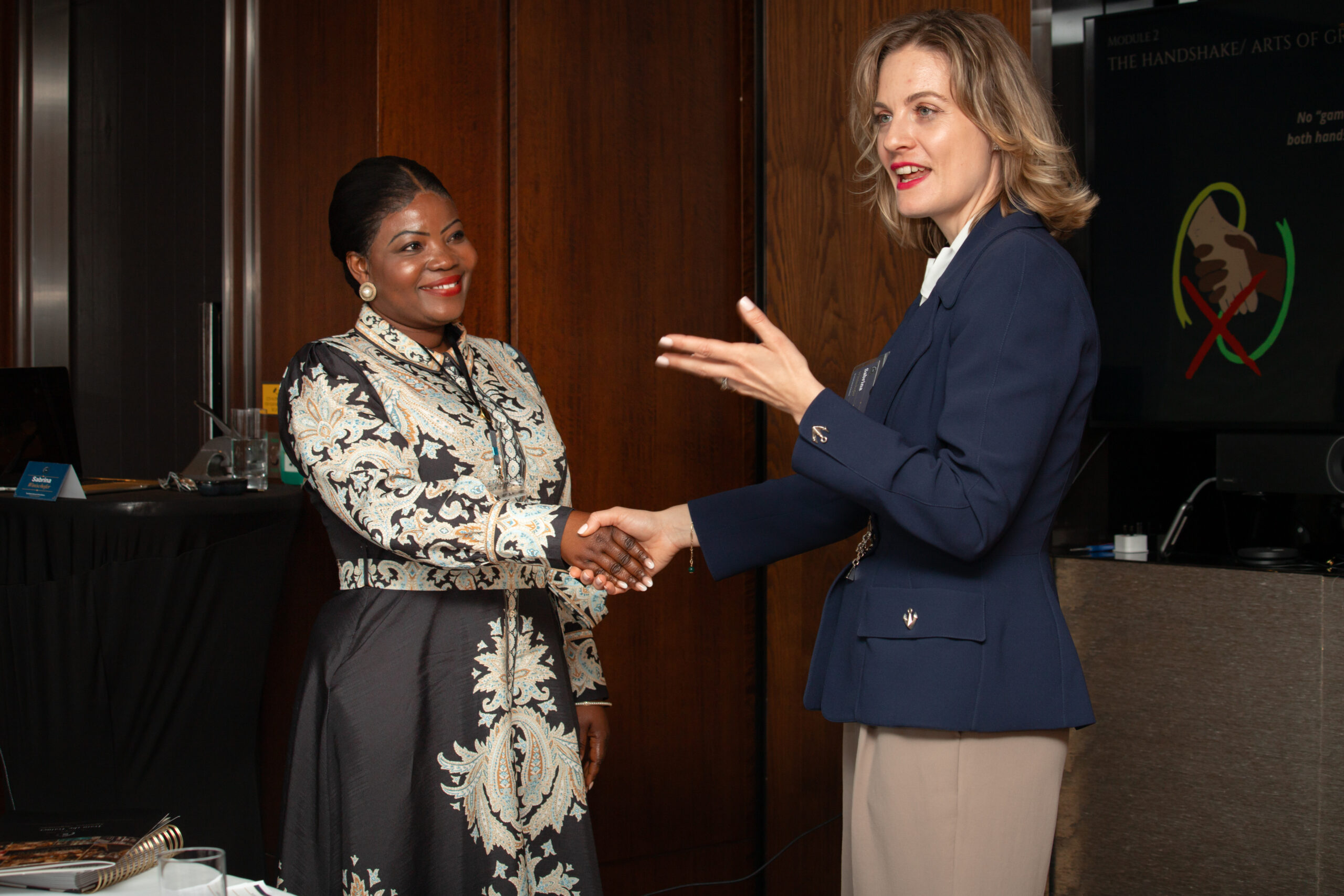
- ◆Master meeting and greeting to an exacting standard — the handshake and the handshakes to avoid, eye contact, the genuine smile, and introductions in correct order of precedence.
- ◆Never lose a name again: memory technique, social kissing, and greetings around the world, with one simple international rule for cultures you have not met before.
- ◆Command conversation with the Five Ps and the Five-Second Statement, the nine steps of small talk, and the art of opening, sustaining and leaving a conversation well.
- ◆Learn deportment through our P.O.S.T.U.R.E. method — standing, sitting, rising, walking, heels, stairs, coats, doors and entering a car with unstudied elegance.
- ◆Read what is never said aloud: the three categories of body language, the signals most people miss, and the P.A.U.S.E. reset for composure under pressure.
- ◆Rehearse it live — drills for presence, greeting and conversation, brought together in a full reception-to-dinner scenario with feedback from your trainer.
“Politeness is the flower of humanity.”
Business Etiquette
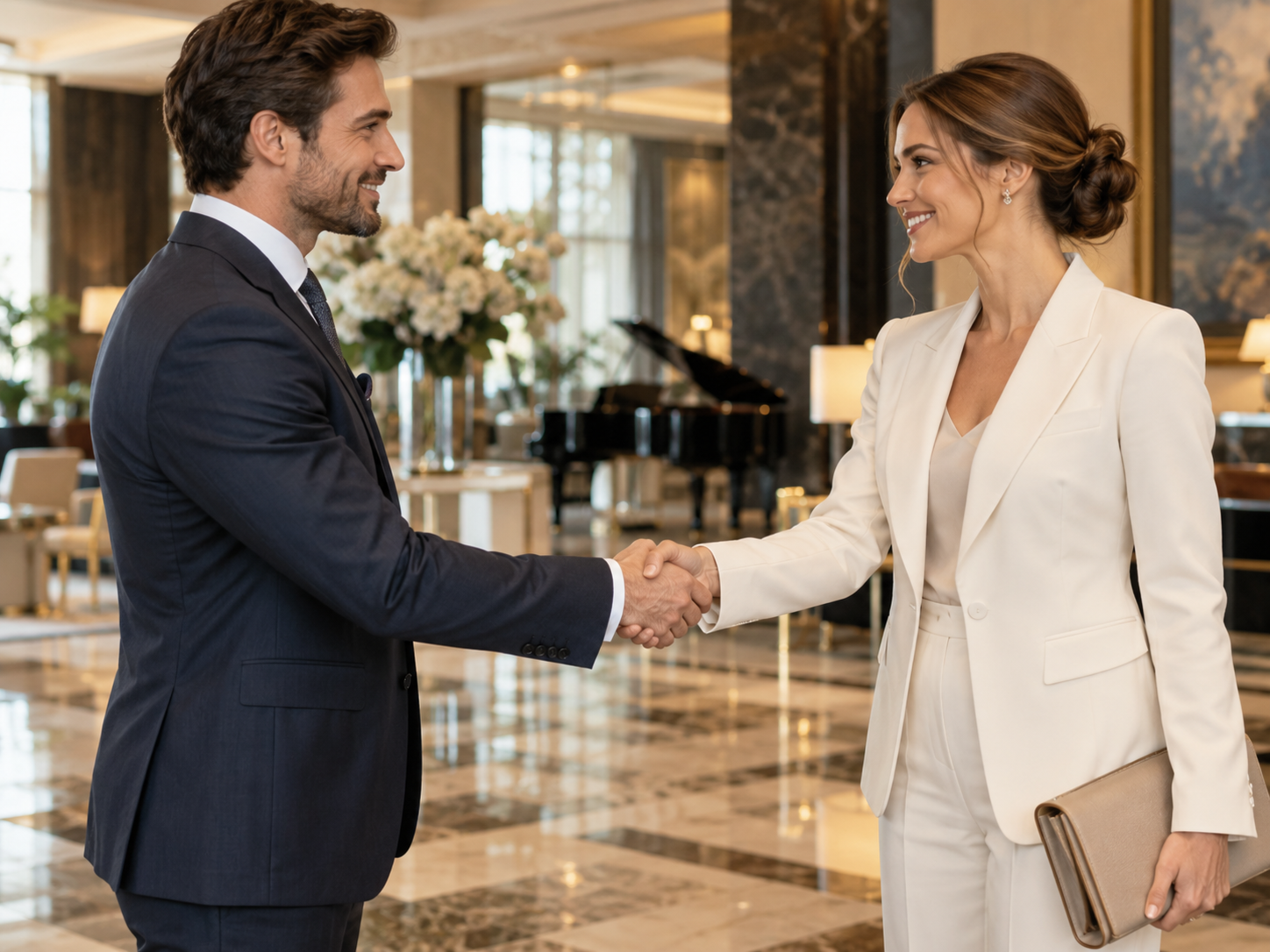
Protocol, credibility and confidence for the modern workplace — from the boardroom to the inbox.
View Module Details
The etiquette that moves careers, wins contracts and represents organisations at the highest level.
- ◆Build immediate credibility with colleagues, clients, suppliers and investors through business protocol, professional presence and business body language.
- ◆Work with authority across cultures — nine questions to research before any market, how trust is built, hierarchy and seniority, and what “yes” actually means in an international meeting.
- ◆Handle hospitality, gifts and negotiation abroad: the international business meal, cross-cultural gift sensitivities, and disagreement without loss of face.
- ◆Learn diplomatic protocol properly — precedence, receiving VIPs and delegations, flags and national symbols, invitations and RSVPs, receiving lines, ceremonies, speeches, official toasts and working with interpreters.
- ◆Network with intent: the professional introduction, the decisive first five minutes, and the follow-up where relationships are actually built.
- ◆Master netiquette, digital reputation and professional judgement in the age of AI — the standard we teach and the standard we expect.
- ◆Lead meetings in the room and on screen, hold your own on a panel, answer difficult questions well, and navigate interviews and difficult conversations with poise.
- ◆Dress the part with the full dress-code lexicon — business, evening and occasion codes, private clubs, luxury hotels and the enclosures of Royal Ascot.
“Good manners will open doors that the best education cannot.”
Fine Dining Etiquette
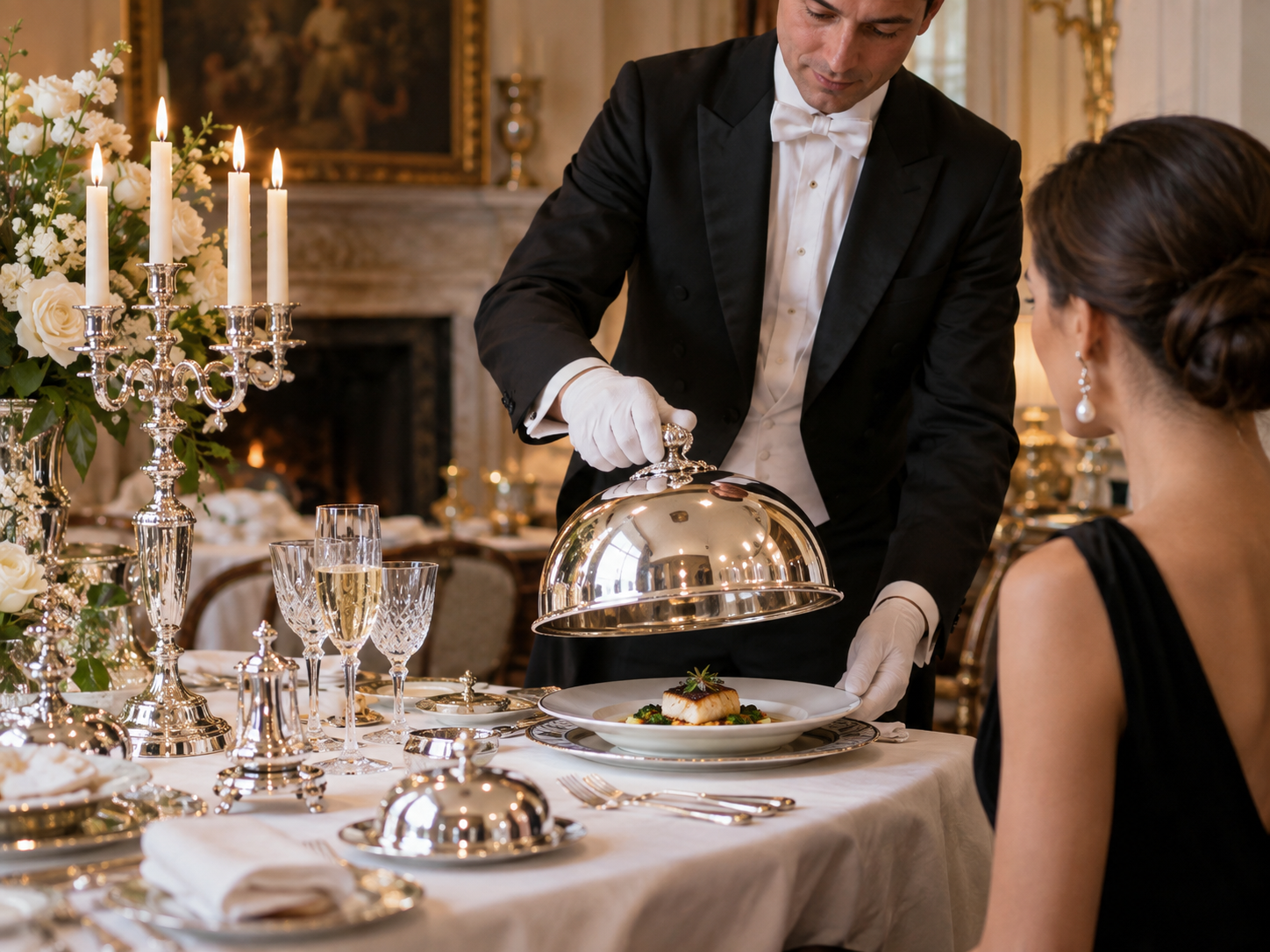
Impeccable table manners, place settings and Britain’s quintessential custom — Afternoon Tea.
View Module Details
The module our graduates say they use most — and the one that makes clients book you.
- ◆Dine anywhere in the world without hesitation: cutlery technique, the napkin, glassware, and the formal place setting read at a single glance.
- ◆Learn to eat the dishes that undo most people, decode the five principal menu types, and handle unfamiliar food, dietary and faith requirements with complete grace.
- ◆Master seating protocol and precedence — the guest of honour, partners and spouses, place cards, royal, civic and diplomatic tables, and the host’s quiet judgement.
- ◆Host and be hosted with equal ease: service, toasts, conversation at the table, inclusive seating, and the discreet handling of the bill.
- ◆Discover Afternoon Tea, Britain’s most quintessential custom — the correct three-course set-up, serving tea impeccably, high tea versus afternoon tea, and the cream-or-jam question settled for good.
- ◆Bring the table alive with stories clients remember: tea smuggling and taxation, the clipper races, the accidental tea bag, the silver drawer, the cheese knife, and why guests once sat “above the salt”.
- ◆Take home the recipes too — Royal scones, Cornish clotted cream and Queen Elizabeth’s drop scones, all in your manual.
“The world was my oyster but I used the wrong fork.”

Trainer Skills
Public speaking, behavioural styles and the business foundations of your own coaching practice.
View Module Details
Where you stop being a student of etiquette and become a trainer of it — with a business to match.
- ◆Structure training that genuinely works: Bloom’s Taxonomy, clear learning objectives, lesson plans and the Coaching Triangle.
- ◆Understand how people actually learn — Kolb’s experiential cycle, Gardner’s multiple intelligences, adult learning principles, and a ladder of engagement from passive to active.
- ◆Read and adapt to any room with DISC: the four behavioural styles, their needs, emotions and fears, and how each one wants to be taught.
- ◆Lead the room with skill — listening and questioning, demonstration technique, designing practice scenarios, assessment and observation, correcting with dignity, and feedback using the SBI model.
- ◆Manage every participant type, mixed-culture groups, and the particular demands of teaching online and hybrid.
- ◆Build the business: customer avatar, sample course proposal, pricing worksheet, costing model, discovery-call checklist, client emails and a post-course follow-up sequence.
- ◆Position yourself with a signature offer and a positioning statement — then protect your standards through professional boundaries, ethics, supervision and reflective practice.
- ◆Complete your certification assignment with confidence: a seven-component brief, guided component by component, with your trainer’s support throughout.
“The mediocre teacher tells. The good teacher explains. The superior teacher demonstrates. The great teacher inspires.”
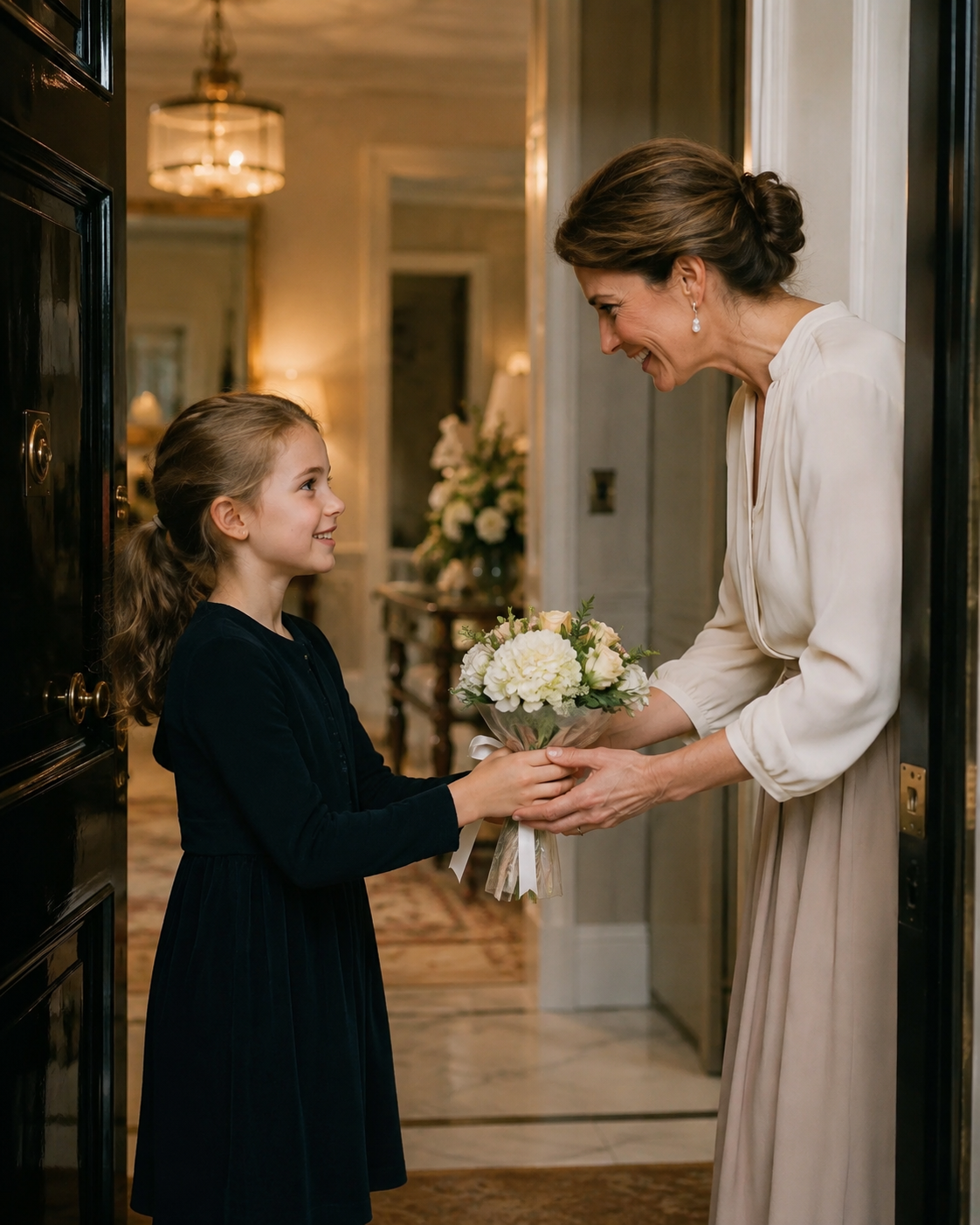
Children’s & Youth Etiquette
Age-appropriate programmes that build confidence, resilience and empathy from an early age.
View Module Details
The fastest-growing part of this profession — and the work that changes lives earliest.
- ◆Coach by age with real confidence — Early Years (3–6), Younger Children (6–12), and Teenagers and Young Adults (13–21), each with its own methods and language.
- ◆Structure a children’s programme covering introductions, appearance and hygiene, friendships and family, handling conflict, table manners, thank-you letters and mobile phone etiquette.
- ◆For teenagers and graduates, build courses in dining etiquette, netiquette, confident conversation, personal presentation, networking, interview technique and written correspondence.
- ◆Manage behaviour skilfully, and address the ten key issues facing young people today — emotional awareness, self-esteem and building resilience.
- ◆Teach safely and lawfully: the safeguarding framework, the DBS, responding to a disclosure, information sharing, allegations, online teaching boundaries, photography and filming, physical contact and parental consent.
- ◆Include every child — neurodiversity, confidence differences, mobility and physical access, language barriers, religious and cultural sensitivity, and mixed groups.
- ◆Design age-appropriate activities for the classroom: role play, group games, audiovisual material, quizzes, think tanks and written assignments.
“It is easier to build strong children than to repair broken men.”
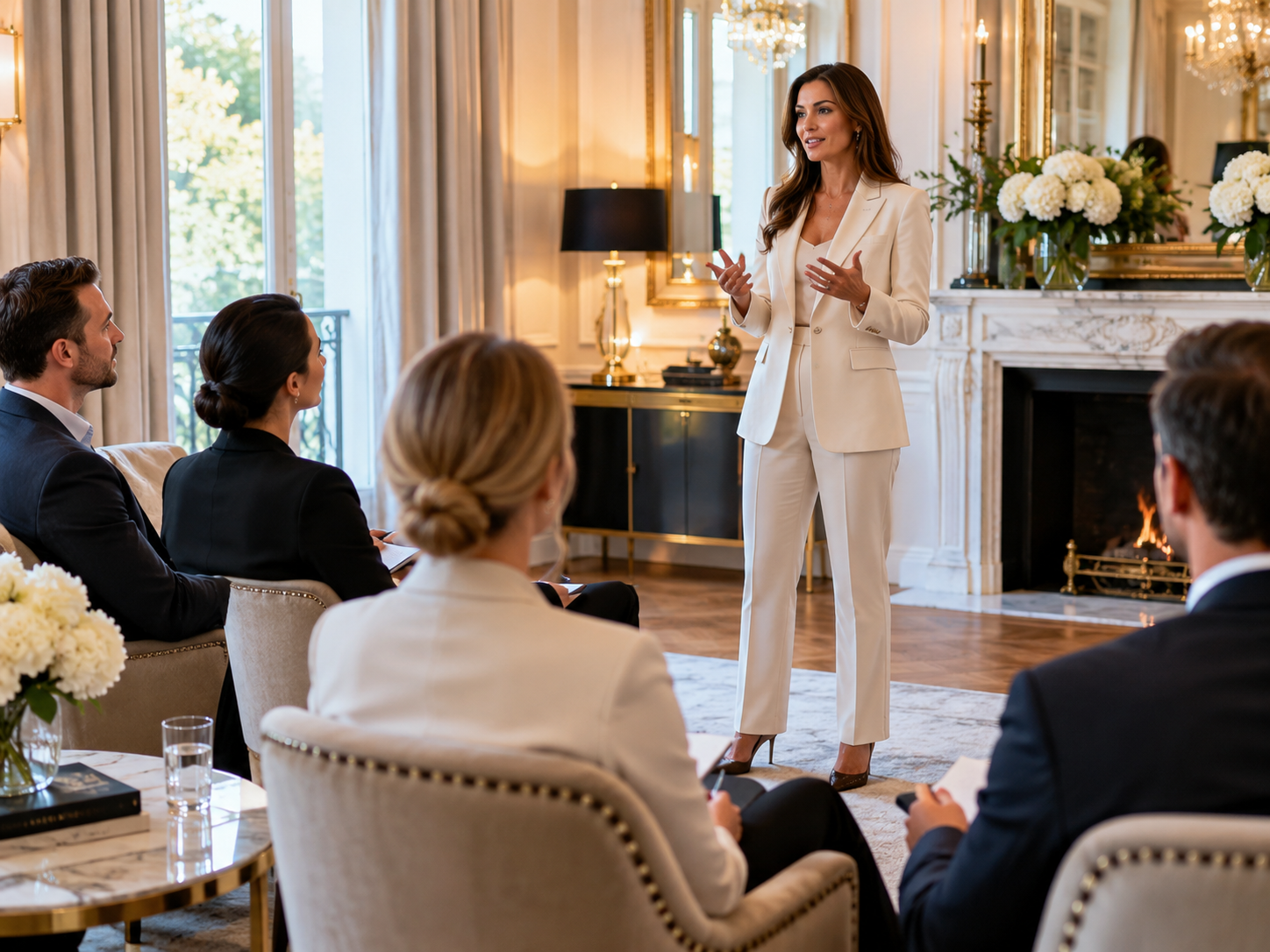
Presentation Skills & Image
Body language, deportment and personal image — projecting confidence before a word is spoken.
View Module Details
Presence is not a personality trait. It is a craft — and this is where you learn it.
- ◆Hold the room from the first minute: reading your audience, adapting in real time, and establishing credibility before you make your first point.
- ◆Use your voice as an instrument — pace, pitch, pause and projection, and the Power of Three that history still remembers.
- ◆Open and close with impact: six proven ways to open, and the closing triad that makes a message stay.
- ◆Handle difficult questions and awkward learners without losing authority, warmth or the room.
- ◆Refine deportment, poise and posture, and learn to read and influence through non-verbal communication, on camera and off.
- ◆Build a considered wardrobe and grooming standard — standard, business and casual attire, evening and occasion codes, dressing at interview, and inclusive, cultural and sustainable choices.
- ◆Present live to your trainer and cohort in a dedicated workshop, with real-time feedback you can act on immediately.
“Dress shabbily and they remember the dress; dress impeccably and they remember the woman.”
The programme at a glance
Live and in person in London — five consecutive days in the room with your trainer and cohort, with practical exercises, live drills and a hosted afternoon tea.
Aspiring etiquette coaches and trainers of all backgrounds, cultures and walks of life.
Six modules spanning social, business and fine dining etiquette, trainer skills, children’s and youth etiquette, and presentation skills and image — presented over five full days in London.
Internationally recognised certificates from The British School of Excellence, CPD Standards UK and ILM, part of City & Guilds on completion of your assignment.
Numbers are deliberately small, so every participant receives close, personal mentorship and maximum engagement in the room.
Your pathway to certification
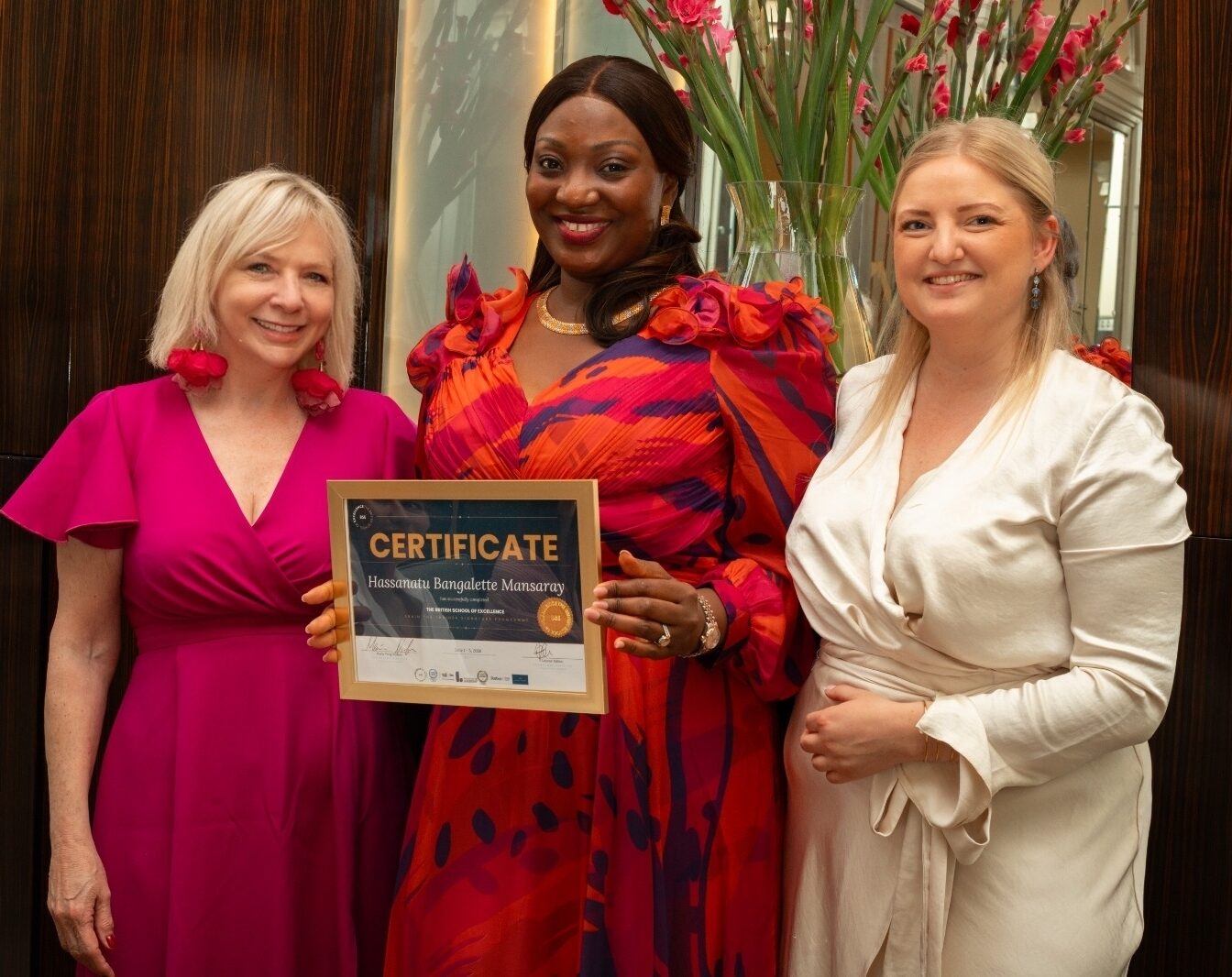
Upon successful completion of the programme, you will receive a certificate from The British School of Excellence. Upon successful submission of the final assessment, participants may also receive certification from CPD Standards UK and ILM, part of City & Guilds.
The British School of Excellence
The School’s own certification — your licence to teach the Signature curriculum.
CPD Standards UK
Certification from The CPD Standards Office, upon successful submission of the final assessment.

ILM · City & Guilds
Certification from the Institute of Leadership & Management, part of City & Guilds.
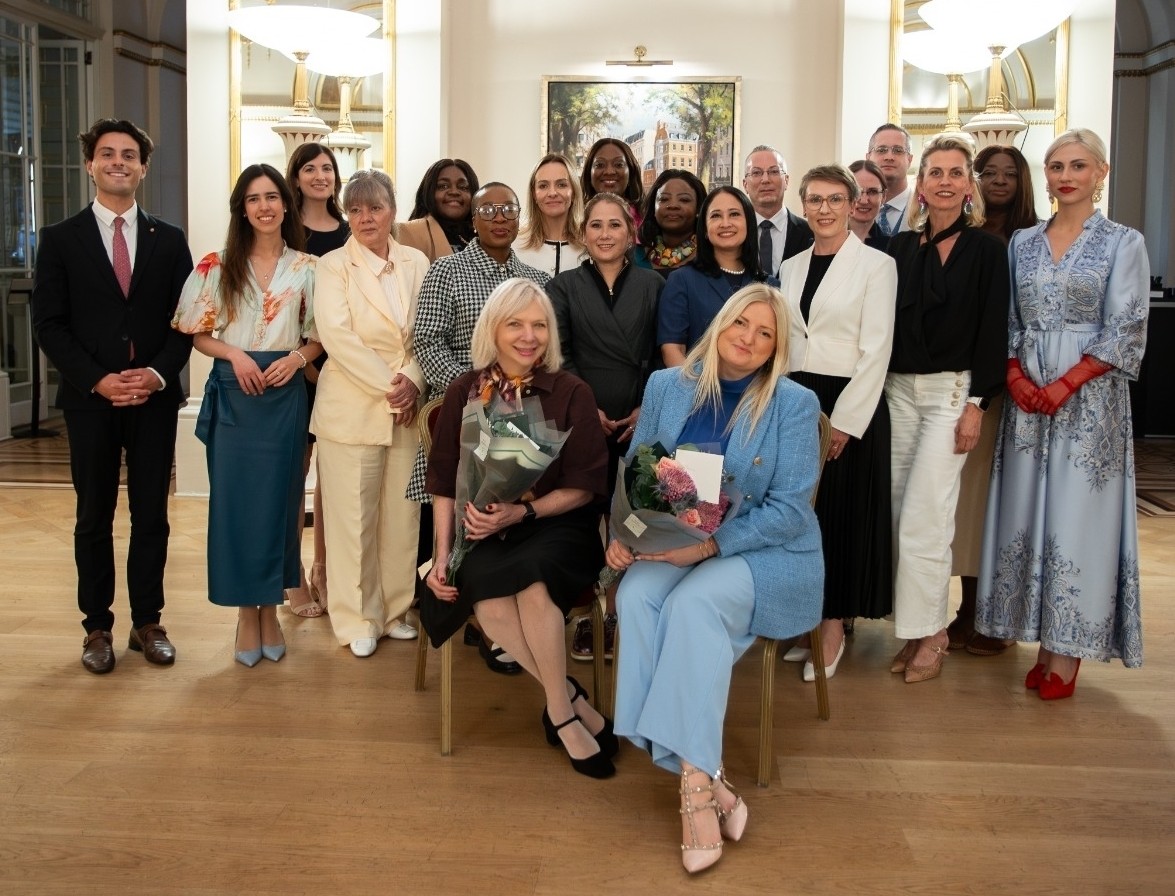
We will invite you to join our Alumni Community — a global network of etiquette consultants and trainers with access to further development, support and professional networking opportunities. Once you receive your certification, it is the beginning of a journey: we are there to support you on an ongoing basis.
The British School of Excellence Leadership

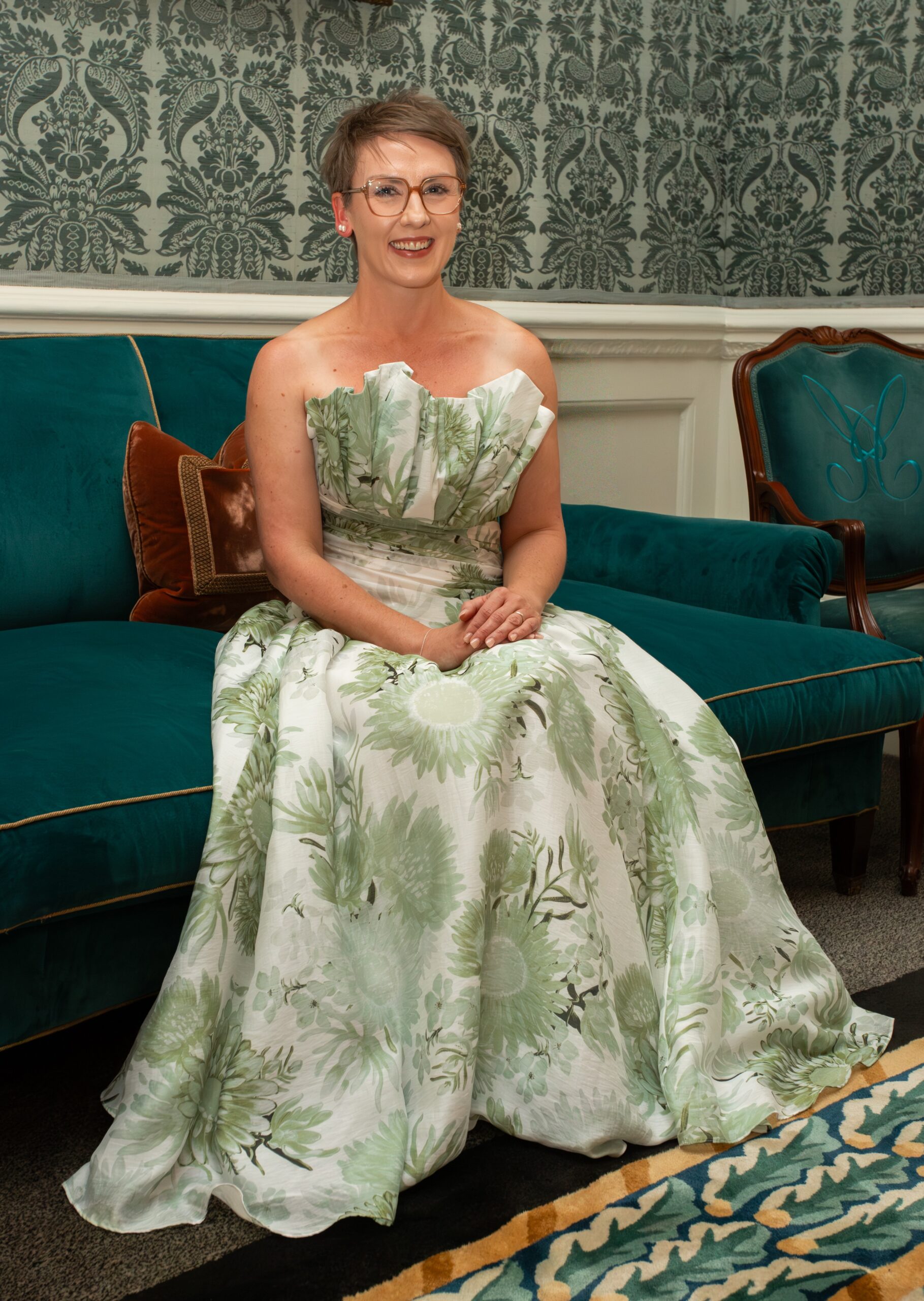
A certified DISC Practitioner and Etiquette Coach, Leanne leads strategic partnerships and designs the School’s flagship certification programmes.

Maria supports the School’s strategic direction and operational delivery, ensuring clients and students consistently experience world-class standards.